
Ebola Response Struggles
Health teams are struggling to keep pace with a rapidly spreading Ebola outbreak in the eastern Democratic Republic of the Congo, where poor infrastructure, insecurity and gaps in contact tracing are complicating the response.
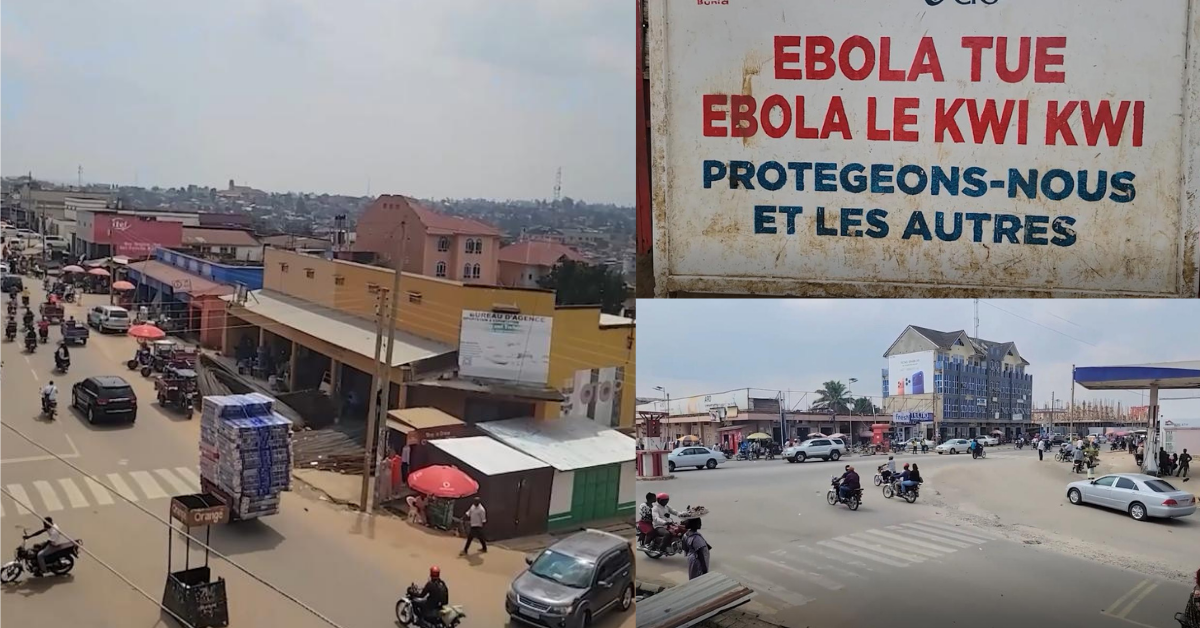
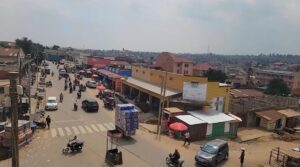
Footage filmed in Bunia on Friday shows displaced residents collecting water and washing their hands at a camp, alongside signs warning about Ebola.
Ituri Civil Society Coordinator Dieudonne Lossa said reaching patients in remote communities remained a major challenge.
“To this day, we have difficulty evacuating some patients who are in villages far from medical centres. There are also issues with staffing, equipment, and the need for awareness campaigns. People may accuse the community of not taking ownership of the fight, but have we delivered the right messages to encourage them to embrace it?” Lossa said.
Tracking Cases Remains Difficult
“The other problem is monitoring patients after the community is alerted. If follow-up isn’t done quickly and the disease remains in the community, it spreads,” he added.
Health officials say community trust and faster detection are critical as many infections continue to emerge outside known contact chains. Ituri remains the centre of the outbreak, accounting for around 90 per cent of reported cases.
Head of Department for the Directorate of Epidemiological Surveillance within the Ministry of Health of the Democratic Republic of the Congo Dr John Kombe said cooperation between health teams, local authorities and communities was essential.
Community Support Needed
“To better manage Ebola, we must work with the community urgently. We need community involvement, and this community is represented at several levels, starting with the political, administrative and religious authorities. At whatever level, their involvement is an important factor in the success of the response,” Kombe said.
“To date, I cannot say that reluctance, resistance and refusal have been completely overcome. These are situations that arise during management, and everything depends on how you address them. The better we address them, the more we can resolve the issue,” he continued.
Outbreak Spreads Further
The outbreak was declared in the DRC on May 15 after Bundibugyo virus was confirmed in Ituri. It has since spread beyond the province, with WHO reporting transmission in North Kivu, South Kivu, Haut-Uele and Tshopo.
DRC national health data reported 3,973 confirmed cases and 1,801 deaths as of August 4, while WHO’s most recent published outbreak update, using data from July 30, recorded 3,605 cases and 1,587 deaths.
The Bundibugyo virus spreads through direct contact with the blood or other bodily fluids of infected people or through materials contaminated with those fluids. There is currently no approved vaccine or specific treatment for the virus, although vaccine and treatment trials are under way.
Article by Viory
More from Wake Up Singapore:
High-altitude Ladakh Biennale shapes raw Himalayan terrain into open-air galleries
High-rise HORROR – Huge fire tears through upper floors of Jakarta government building
If you have a story or a tip-off, email admin@wakeup.sg or get in touch via Whatsapp at 8882 5913.
Interested in advertising on our media channels? Reach out to us at admin@wakeup.sg!
Since you have made it to the end of the article, follow Wake Up Singapore on Telegram and X!
Wake Up Singapore is a volunteer-run site that covers alternative views in Singapore. If you want to volunteer with us, sign up here!