

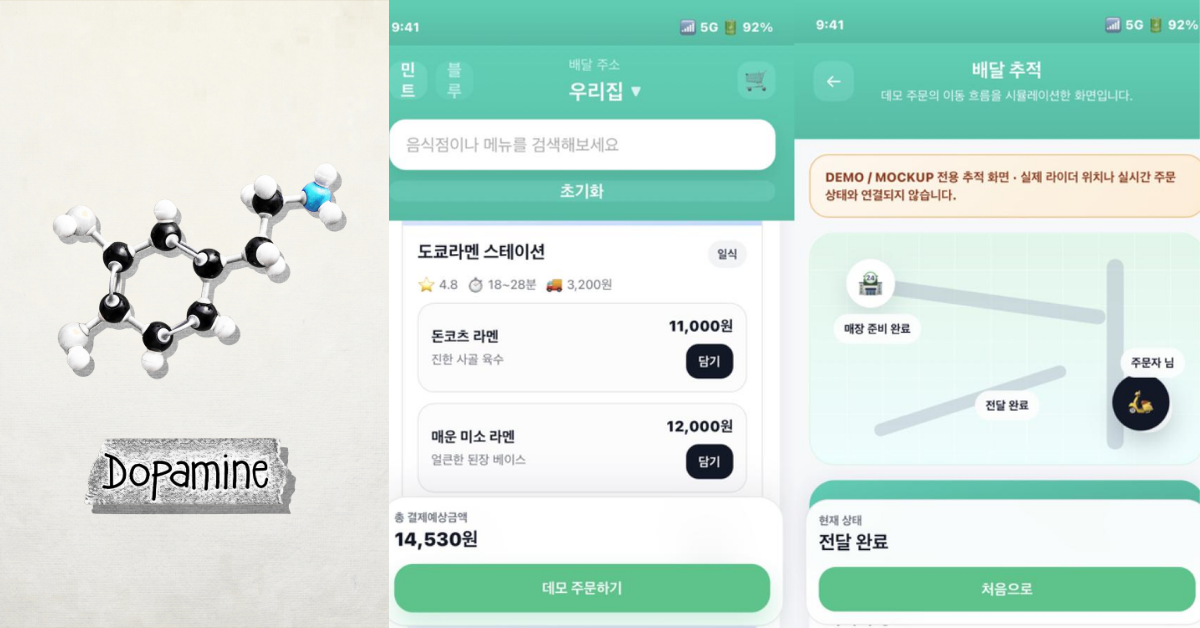
Imagine opening a food delivery app, picking your favorite meal, filling the cart… and then closing the tab without buying anything.
For many young Koreans, it’s a growing digital habit built around so-called “dopamine sites,” online platforms that simulate everyday actions without real-world consequences.
The Rise of Fake Satisfaction
One of the most popular examples is a real food delivery application. Menus are accessible, ratings can be viewed, and estimated delivery times are available. Everything feels real except the final payment.
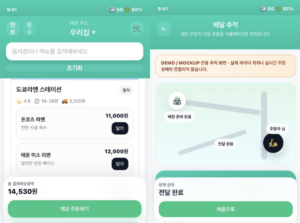
For some users, that missing step is the entire point.
“It somehow feels like I actually ordered something.”
A 25-year-old office worker told The Korea Times that the habit helps him manage late-night cravings and avoid unnecessary spending. Instead of ordering food, he repeats the process of selecting meals just for the feeling it creates.
“I don’t end up ordering anything, but it relieves a little stress.”
Digital Comfort in Small Moments

Another popular dopamine site recreates a smoke break environment. Users enter into a virtual environment where anonymous people are online at the same time, leaving short messages about work, stress, and exhaustion.
“I’m getting through another day.”
“I want to go home.”
There is no real conversation, just shared presence. For many users, that alone is enough to feel less alone during stressful moments.
Why It Feels Addictive
These platforms are indicative of a larger trend of how youth are dealing with burnout and uncertainty, experts say. They don’t have long conversations or in-person breaks anymore, but rather short, structured digital experiences that are safe and low-pressure.

It’s like the mukbang videos where people observe people eat rather than eat themselves.
“People now tend to find comfort simply in feeling loosely connected online.“
Online discussion on this
One Reddit user said:
“You can track a courier that doesn’t even exist.”
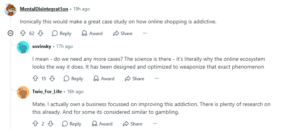 Another added:
“It’s literally why the online ecosystem looks the way it does.”
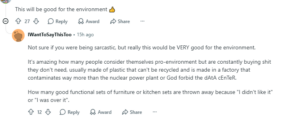
Some even argue it could reduce overconsumption and waste.
“This would be VERY good for the environment.”
 Whether seen as harmless digital play or a symptom of deeper burnout, dopamine sites reveal something clear: even the illusion of action can feel like relief.
More from Wake Up Singapore:-
Xi visits Kim in Pyongyang after playing host to Trump, Putin
Denmark and Ukraine Players Unite After Christian Eriksen Collapses During Match
Chinese Teacher’s Rapid Snack-Grabbing Goes Viral During Children’s Day Challenge
If you have a story or a tip-off, email admin@wakeup.sg or get in touch via Whatsapp at 8882 5913.
Interested in advertising on our media channels? Reach out to us at admin@wakeup.sg!
Since you have made it to the end of the article, follow Wake Up Singapore on Telegram and X!
Wake Up Singapore is a volunteer-run site that covers alternative views in Singapore. If you want to volunteer with us, sign up here!