
Article by Viory
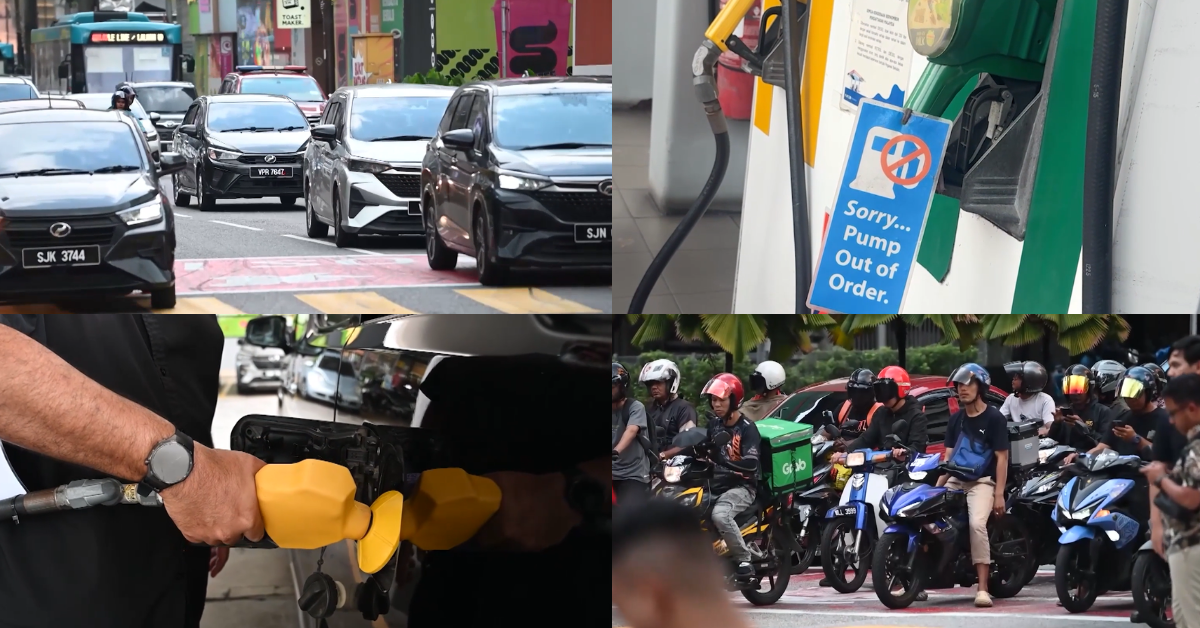
Kuala Lumpur residents voiced cautiously optimistic views on the government’s new work-from-home (WFH) policy, under which up to 200,000 civil servants are expected to work remotely three days a week starting Wednesday, April 15.
“The crisis currently taking place […] has affected the global economy, with oil prices rising, and of course, once oil prices go up, the prices of other raw materials will also increase,” pointed out Syai Rez, a resident, in an interview on Thursday.
“Although Malaysia is not exempt from feeling the spillover effects of this instability, it has also given us a new perspective,” he continued, adding that “it offers a different point of view for other countries, so that we do not rely too heavily on a single nation to maintain peace or safeguard the global economy.”
While noting benefits such as reduced fuel costs, Rez also pointed to challenges for private-sector workers, who are excluded from the policy.
“Many private companies do not have as many employees as government institutions. So even if their staff work from home, they would still need to pay office rent and utility bills,” he remarked.
Others supported the WFH arrangement, saying it helps protect the public and government offices, while proprietors noted they may need to adopt a more flexible approach to serving customers.
“Sometimes, difficult situations also bring certain benefits. Nowadays, many people are already used to online communication, so we should try to hold meetings online whenever possible. Of course, some clients still prefer face-to-face meetings,” a business owner proclaimed.
Civil servants under the new WFH policy are expected to complete projects on time and maintain essential programmes while implementing cost-saving measures. The scheme covers eligible public servants in Putrajaya, Kuala Lumpur, Selangor and state capitals who live more than 8 kilometres from their offices, excluding those in security, defence, health and education.
It comes as tensions continue to rise in the Strait of Hormuz, a major chokepoint holding around 20 percent of global oil and LNG shipments, as a US naval blockade of Iranian ports enters its fourth day, citing Iran’s destabilising maritime activity.
Washington says the measures target vessels linked to Iranian ports and may extend to Iranian naval movements, while Tehran insists it controls navigation and that civilian shipping continues under its rules.
The standoff follows failed talks in Islamabad and is already roiling energy markets, fuelling fears of wider disruption to global supply chains.
Article by Viory
More from Wake Up Singapore:
White House Defends Rising Fuel Prices as Strategic Pressure on Iran Policy
Cuba Celebrates the Russian Fuel Shipment as Diaz-Canel Denounces US Energy Blockade
Filipino Farmers Abandon Harvests as Fuel Crisis Drives Costs Beyond Market Prices
If you have a story or a tip-off, email admin@wakeup.sg or get in touch via Whatsapp at 8882 5913.
Interested in advertising on our media channels? Reach out to us at admin@wakeup.sg!
Since you have made it to the end of the article, follow Wake Up Singapore on Telegram and X!
Wake Up Singapore is a volunteer-run site that covers alternative views in Singapore. If you want to volunteer with us, sign up here!