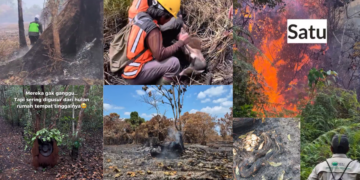

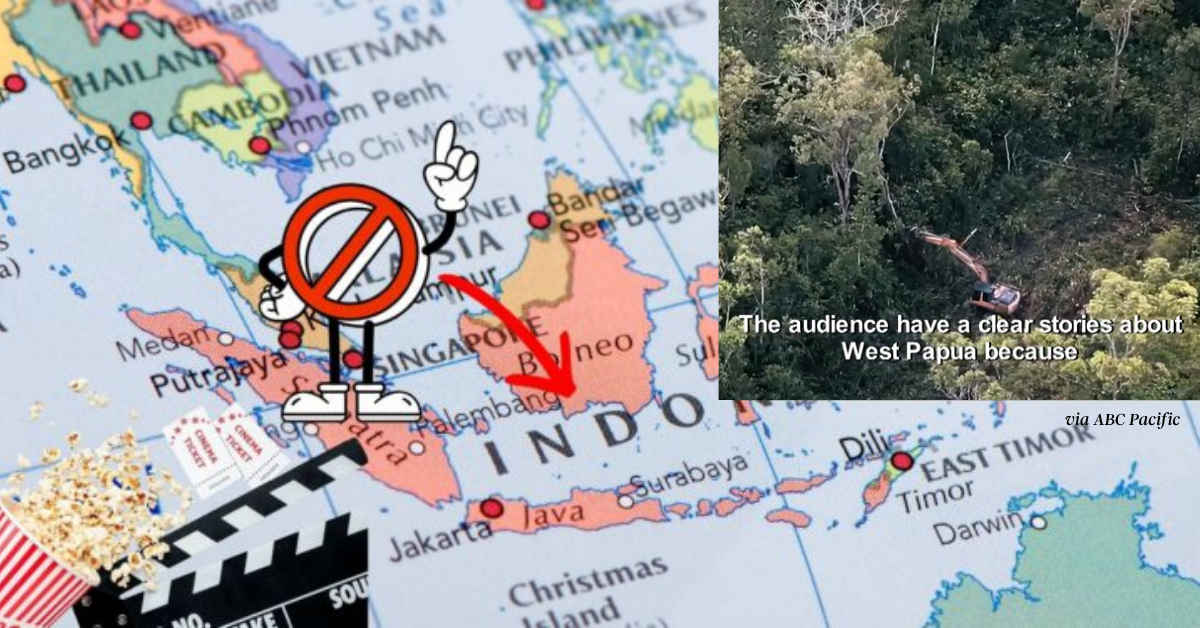
A film screening rarely has anything to do with national attention. However, Pesta Babi (Pig Feast) has become a highlighted topic in Indonesia, with more than 30 screenings officially banned due to rising controversy over land and human abuse in general. Because of this particular screening, it raises worries about censorship and free expression.
The Reason Behind The Ban
The documentary concentrates on Papua, Indonesia’s easternmost areas. This sparked a lot of controversy because Pesta Babi focusses on human rights violations, environmental degradation, and land exploitation associated with the government’s National Strategic Projects. It also proclaims about large-scale developments coming at the expenses of indigenous communities while targeting forests. It is also “provocative” and presents an “unbalanced narrative” that could mislead people in a separatist conflict.
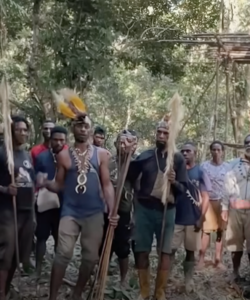
Screengrab of the video
Some criticism has focused on the film’s title and narrative, and it drew attention away from major claims such as land destruction. Online commenters, students, and campaign activists continue to share and discuss its results, proving how rapidly a suppressed narrative may spread in the digital age. There were some narratives talking about how the ban was never reinstated properly because the military officials don’t have the rights, they coerced it.
The Streisand Effect
While the censoring raises awareness about artistic freedom, the reaction is rather widespread. The government is trying to suppress the film which has become a Streisand effect, bringing more attention to the documentary and making it popular as it is. Some authorities questioned if the documentary and title itself was disrespectful to religious organizations, but the content distraction was the film’s portrayal of land destruction.
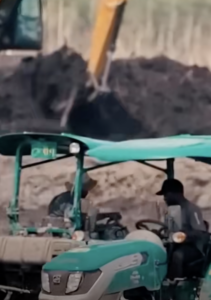
Screengrab of the video
The pushback also indicates broader retrospectives towards corporate-driven environmental issues are addressed in today’s era. Attempts to control the narrative via coercion and intimidation appear to increase public scrutiny instead. Rather than restrictive, the response has been fuelled with discussions about Indigenous land rights, responsibility, and transparency of the video, becoming a catalyst for public debate.
More from Wake Up Singapore:-
“Kala Hiran” producer says movie is not a “Salman Khan biopic”
Dear You: China’s Hottest New Independent Film Made With Almost Nothing
If you have a story or a tip-off, email admin@wakeup.sg or get in touch via Whatsapp at 8882 5913.
Interested in advertising on our media channels? Reach out to us at admin@wakeup.sg!
Since you have made it to the end of the article, follow Wake Up Singapore on Telegram and X!
Wake Up Singapore is a volunteer-run site that covers alternative views in Singapore. If you want to volunteer with us, sign up here!