

Article by Viory
The Akola region in Maharashtra, western India, is currently engulfed in a severe heatwave, with temperatures spiking to 44.2 degrees Celsius last week and expected to rise even further in the coming days.
Last week, multiple weather stations across Maharashtra and Telangana consistently recorded temperatures exceeding 44 degrees. On Saturday, Akola district emerged as the hottest place in India, registering a staggering temperature close to 45 degrees Celsius—the highest recorded nationwide so far this year.
The India Meteorological Department (IMD) has issued an orange alert, warning of extreme conditions that pose serious health risks. Akola, known for its hot and dry climate, is experiencing a prolonged heatwave, with neighbouring districts like Amravati and Yavatmal facing similar conditions that threaten the well-being of locals.
Resident Prakash Ramchandra commented, “Two days ago, it was reported that Akola has one of the highest temperatures in the world. The main reason for the extreme heat is the scarcity of trees and bushes in the area.”
“It’s challenging to go to work in this heat. Just two days ago, someone died due to heat exposure when temperatures reached 46 degrees Celsius. Schoolchildren face difficulties as families like ours cannot afford cars and rely on bikes,” he continued.
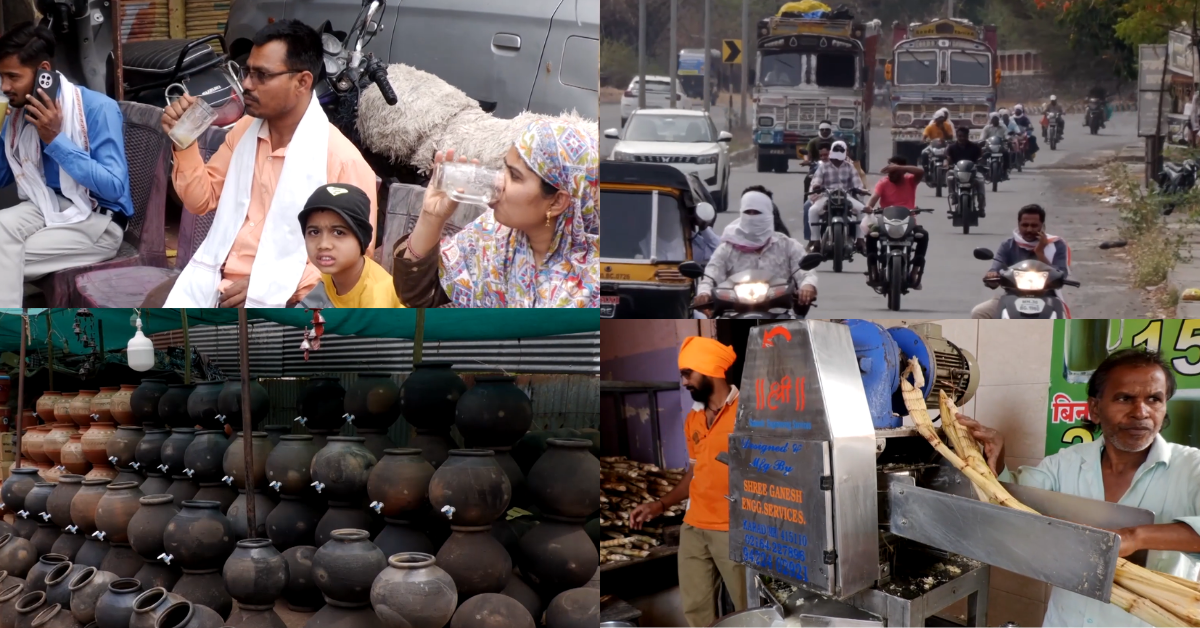
Commuter Mamta Sone shared her perspective. “We have to keep the air conditioner and cooler on constantly at home. It’s unbearable outside, especially for the elderly,” she noted, stressing the importance of staying hydrated and wearing protection. “Wearing goggles is essential; it’s hard to see in this heat,” she added.
Local resident Gaganaga Adarsh expressed concerns about the heatwave. “It could exceed 50 degrees this year. Normally, April would see around 40 degrees, but now it’s over 45. Fewer trees are a major factor,” he noted.
“When we step outside, we all carry shawls to protect our heads from the heat. We fear the temperature might rise significantly; it was 47 degrees last time, and now it could reach 50,” said another resident, Abhit Wakade.
The extreme heat in Akola demonstrates the growing impact of rising global temperatures in vulnerable regions like South Asia, where heatwaves exceeding 45 degrees Celsius pose significant risks to public health, agriculture, and water supply.
Local authorities urge residents to avoid outdoor activities between 11am and 4pm, stay hydrated and take extra care of children, the elderly, and those with health conditions. Light cotton clothing is recommended, while cooling centres have been established and hospitals remain on alert for heat-related conditions.
The heatwave has significantly disrupted daily life; markets are empty during peak afternoon hours, and outdoor workers—including farmers, construction labourers, and vendors—are particularly vulnerable. Water scarcity is increasing as groundwater levels drop, raising concerns about potential damage to cotton and soybean crops.
The district administration continues to monitor the situation, advising the public to remain vigilant as the heatwave shows no signs of easing.
Article by Viory
More from Wake Up Singapore:
Bangkok heat index reaches dangerous level, authorities warn of rising health risks
Rare Cloud Iridescence Lights Up Johor Sky in Malaysia, Stuns Residents
Southeast Asia Heats Up: Singapore Among Countries Hit by Dry Weather
If you have a story or a tip-off, email admin@wakeup.sg or get in touch via Whatsapp at 8882 5913.
Interested in advertising on our media channels? Reach out to us at admin@wakeup.sg!
Since you have made it to the end of the article, follow Wake Up Singapore on Telegram and X!
Wake Up Singapore is a volunteer-run site that covers alternative views in Singapore. If you want to volunteer with us, sign up here!