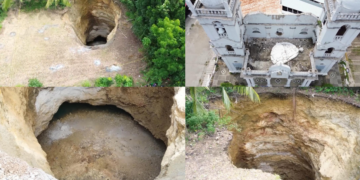

Due to Iran’s gasoline scarcity, the petroleum deficit is currently momentarily unavailable. A video circulating online illustrates how France is now dealing with the issue, which is making it harder for cars to commute. Because of the ongoing Iran war, gasoline shortages exist not only in France but throughout the world, resulting in a transportation crisis among the countries.
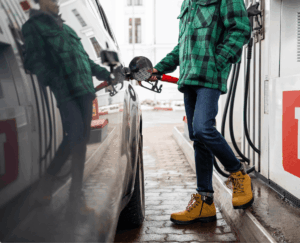
The video illustrates the severity of the petroleum complication encountered when waiting in line to fill up the petrol tank. The impact is no longer localised as global supply systems under strain. Petroleum-dependent nations are under increasing strain, which raises worries about disruptions to transport and general economic instability. The conflict’s aftereffects are now being felt in several areas, indicating a possible worldwide energy crisis.
Myanmar-Thailand Border
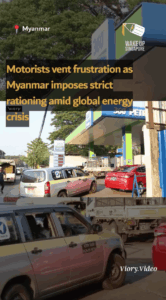
The odd-even license plate system has been implemented by the government of Myanmar to address the escalating gasoline shortages. Vehicles are now only allowed on the road on days that correspond to the first digit of their plate number.
The goal of the move is to lessen the excessive demand at petrol stations, where lengthy lines have become commonplace. Sales of fuel are progressively restricted, and some stations are compelled to close early in order to prevent running out completely.
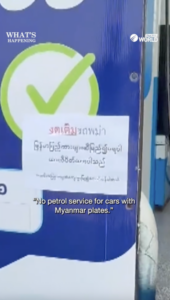
The conflict of Mae Sot border crossing between Myanmar and Thailand prefaces several large petrol stations to cease serving Myanmar-plated vehicles temporarily, and Thai drivers have strict purchase limitations of up to 1,000 baht every visit. Authorities believe that some cross-border drivers have been storing or reselling petrol, necessitating tougher curbs to preserve local supply, particularly for farmers.
Bangladesh
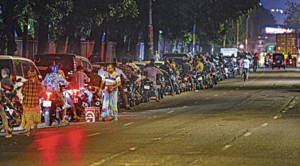
In Bangladesh, the shortage is reshaping daily routines. Drivers are restricted to small fuel allocations intended to last several days, but many report waiting hours with no guarantee of supply. Frustration is growing as demand continues to outpace availability. The government limits 500 takas (S$ 5.19) for fuel to last three to four days. One netizen complained that they were promised to get enough fuel for them, but it has been under-delivered after waiting for three to four hours.
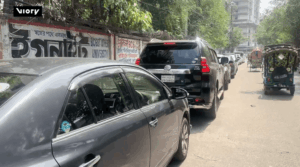
According to Bangladeshi media, the government has imposed a plan on energy-saving measures: shorter office hours, early shopping mall closures, reduced lighting in public spaces, and limits on non-essential travel. Across borders, what began as a fuel supply issue is now evolving into a broader disruption, impacting transportation, livelihoods, and the rhythm of everyday life.
Australia
More than 600 petrol stations are out of diesel, affecting major cities such as New South Wales and Sydney. The shortage isn’t solely caused by supply. Panic purchasing is escalating.
Authorities warn drivers to fuel lower than their immediate needs, putting additional strain on already limited supply. Energy Minister Chris Bowen has advised the people to avoid panic buying, urging them to buy only what they need and refill in urban areas to reduce demand in outlying towns.
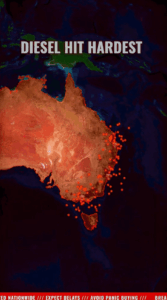
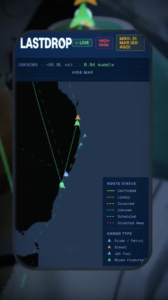
In response, a report shows how Australia established a real-time tracking technology called “Lastdrop,” which allows citizens to track fuel availability around the country. Real time data tracks fuel levels, deliveries, tanker movements, and prices, giving the public clear visibility as the crisis unfolds.
Global delays in the Strait of Hormuz, which transports 20% of the world’s oil, are reducing supply. Reduced transit through the route has dramatically tightened worldwide markets, raising fuel prices and exacerbated shortages in numerous countries.
IEA Regulations
The International Energy Agency claims the disruption among the worst shocks to the oil market in history. Despite the emergency stock being released, it cautioned that supply measures alone are insufficient.
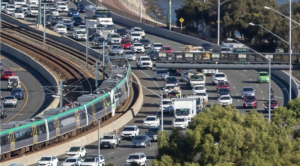
Instead, activities such as remote work, reduced travel, lower driving speeds, and increased usage of public transportation are crucial for relieving pressure on fuel systems to stabilize markets in the short run.
More from Wake Up Singapore:-
Rising Middle East Tensions Spark Petrol Panic Across Thailand as Drivers Rush to Fill Tanks
If you have a story or a tip-off, email admin@wakeup.sg or get in touch via Whatsapp at 8882 5913.
Interested in advertising on our media channels? Reach out to us at admin@wakeup.sg!
Since you have made it to the end of the article, follow Wake Up Singapore on Telegram and X!
Wake Up Singapore is a volunteer-run site that covers alternative views in Singapore. If you want to volunteer with us, sign up here!