

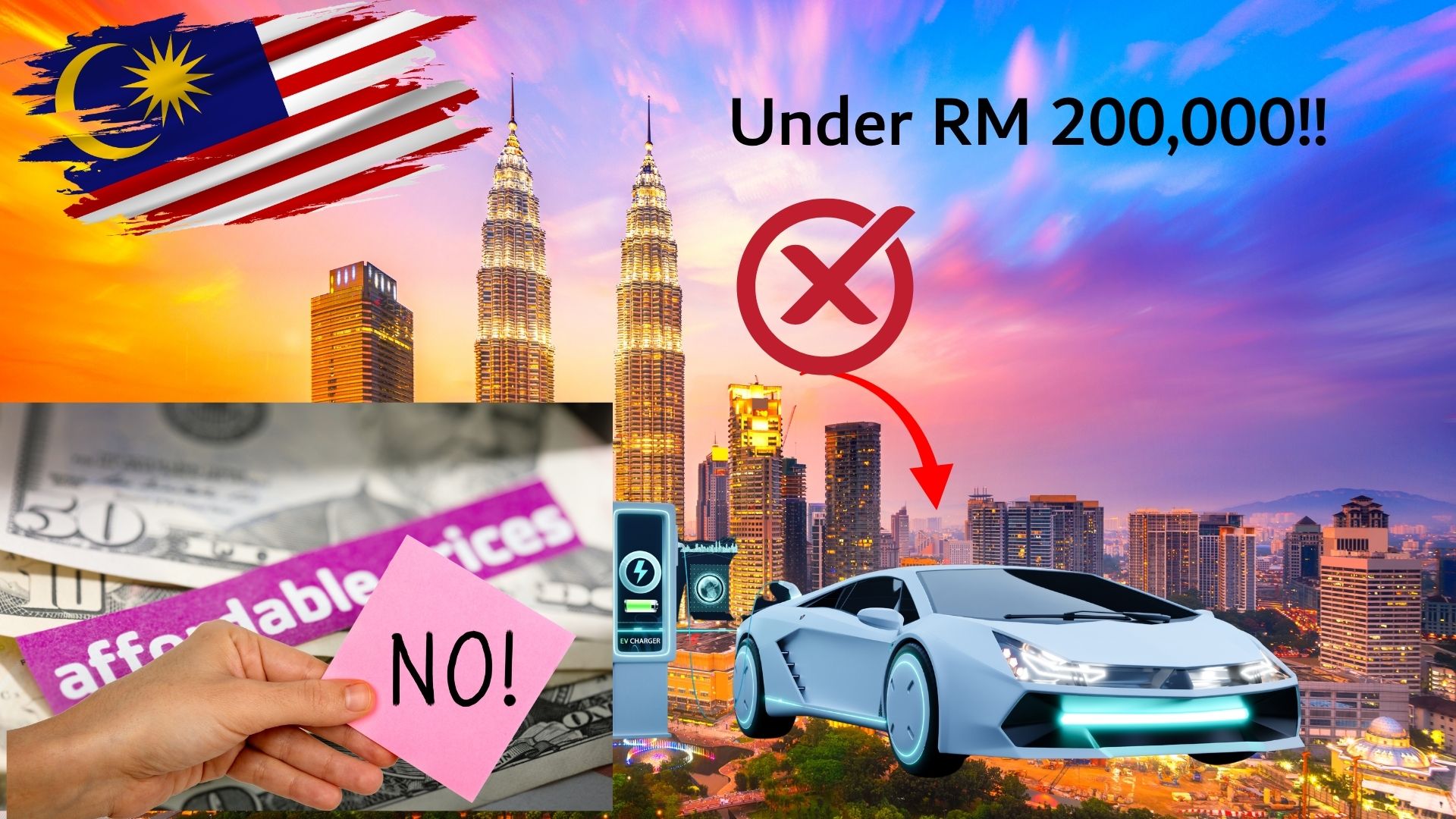
The policy update tightens the limits on important electric vehicles in an official statement briefing. The Ministry of Invest, Trade, and Industry (MITI) under Malaysian government officiate changing the EV market limits on lower-priced imports. EVs under RM 200,000 are now illegal to be imported, driving the market into a more upscale area.
EV Law Restrictions
Starting July 1, 2026, the Ministry of Investment, Trade, and Industry will slam the brakes on cost-effective rides via imposing a large regulatory obstacle. Under Malaysia’s newly modified legal framework, fully imported electric vehicles now face a massive entry barrier before arriving in the country. Each imported EV must have a minimum value of RM 200,000, including freight, insurance, and cost. Once taxes, import changes, and dealership markups are included in, the real-world selling price swiftly rises to RM 300,000.
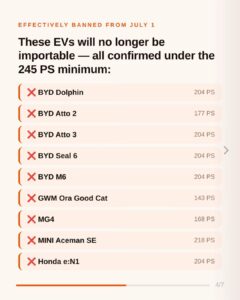
Screengrab of the video
What was previously thought to represent the future of affordable automobiles is pushed far into the realm of luxury. Although the government didn’t limit itself to price, Malaysia is implementing a stringent performance requirement of at least 245 horsepower, or 1280 kW. Even if automakers are able to reduce costs, their vehicles won’t be able to hit the market unless it has the same power as sports cars. The end product is a system that has been meticulously designed to exclude entry-level, low cost EVs, and only let high-end, high performance models pass through the gates.
Other Asian Country’s Predicament
Countries like China, Thailand, and Japan pledged to protect their citizens via developing their own capabilities, and have done just by offering protection in exchange of incentive. With Hyundai and Toyota, the nations pledge to defend their citizens. There is a grace period during which automakers must improve their products in order to compete on a global scale, but the firms themselves do not overpromise perfectionism.
Photo for Illustration Purposes Only
“The problem with Malaysia is that we started doing that, but we don’t have a clock”, Idirs Jala said. The Game of Impossible podcast guest stated that this process has been going for a while, and Malaysia can also keep adopting the strategies of other nations. Thailand, on the other hand, doesn’t create its own automobiles; instead, it establishes businesses to export goods and increase cost competitiveness, but most importantly, strengthening the coherence of policies.
Takeaway
The regulation serves as a safeguard for citizens in planning their own future, regardless of commuting with automobiles. Local manufacturers have more time to establish themselves in the affordable EV market before international competition fully emerges, since overseas competitors are stuck with cheaper alternatives behind. The government is purposefully reducing the playing field rather than opening the floodgates to low-cost imports.

Screengrab of the video
In retrospect, Malaysia does not oppose greenwashing entirely. It is attempting to regulate who makes money off of it. Additionally, the nation is making it apparent to consumers benefiting from affordable domestic production rather than imports for low-cost EVs.
If you have a story or a tip-off, email admin@wakeup.sg or get in touch via Whatsapp at 8882 5913.
Interested in advertising on our media channels? Reach out to us at admin@wakeup.sg!
Since you have made it to the end of the article, follow Wake Up Singapore on Telegram and X!
Wake Up Singapore is a volunteer-run site that covers alternative views in Singapore. If you want to volunteer with us, sign up here!
Malaysia Job Losses Rise Again as April Layoffs Exceed 7,000 Workers
Unable To Afford Wife’s Funeral, Malaysia Man Appeals For Public Support