
Congressional Clash Over War Costs
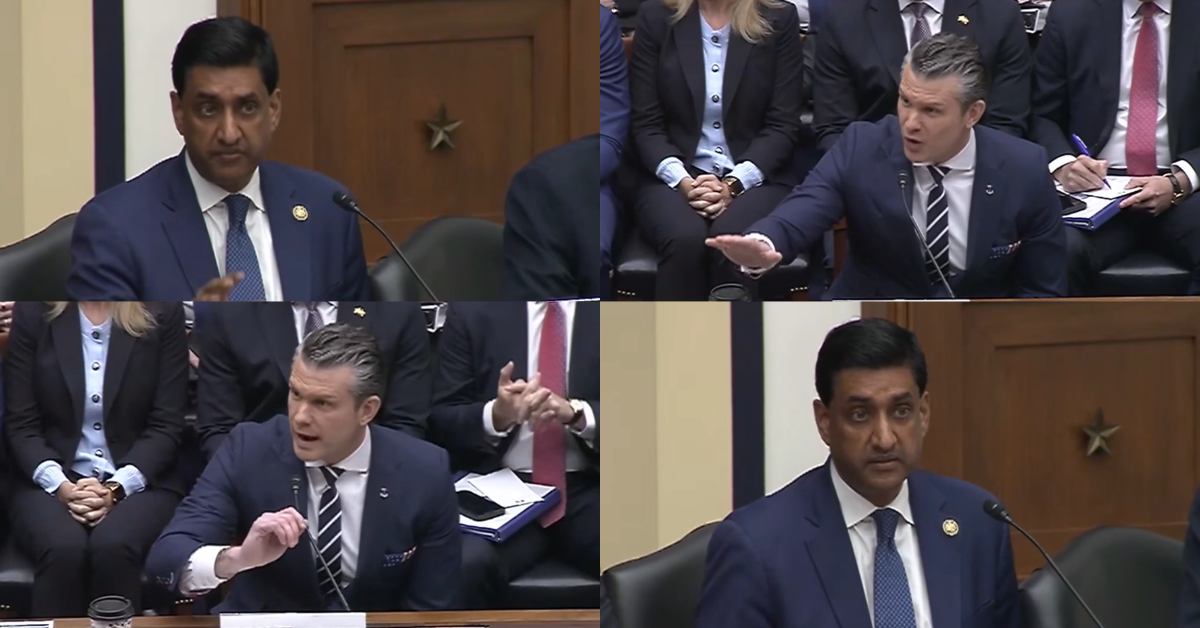
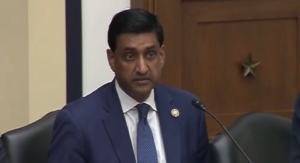
A tense exchange erupted in Congress on Wednesday as US Representative Ro Khanna pressed War Secretary Pete Hegseth over the true cost of the war with Iran, including the deadly strike on a school in Minab.
During a House Armed Services Committee hearing, Khanna challenged Hegseth’s estimate that the conflict had cost around $25 billion so far.
“You’ve testified that it was $25 billion in cost in terms of the munitions we used and what we paid for it. But when you add to that the damage that was done to our bases and today’s dollars for buying replacement munitions and replacement aircrafts, what has the total cost been over the last 60 days?”
“That number right now reflects the total cost that we’re seeing,” Hegseth replied.
Dispute Over Missing Financial Details
Pressed repeatedly on whether the figure accounted for full replacement costs and damage, Hegseth suggested any revisions would be handled by the ‘comptroller’.
The exchange escalated when Khanna raised the cost of the strike on the Minab school, which killed scores of civilians, including children.
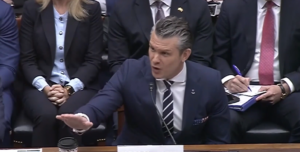
“How much did it cost American taxpayers in terms of the strike to the Iranian school where kids were killed? Do you have that number in terms of the missiles we used?” he said.
“As I’ve said, that unfortunate situation remains under investigation,” Hegseth replied.
“You don’t know what we paid in terms of the missiles that hit the Iranian school. You don’t know what we’re paying in terms of gas. You don’t know what we’re paying in terms of food. You’re 25 billion. Number is totally off. It’s the incompetence. It’s the incompetence,” Khanna fired back.
Deadly Strike and Ongoing Investigation
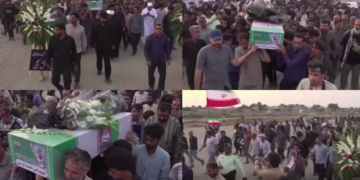
The strike on the girls’ school, carried out at the start of the conflict, killed more than 150 people, most of them children, according to multiple reports .
Preliminary US military findings suggest the attack may have been caused by a targeting error linked to outdated intelligence, though the investigation remains ongoing .
Rights groups, including Amnesty International, have called for accountability, describing the strike as potentially unlawful.
Wider Conflict and Fragile Ceasefire
Iranian Foreign Minister Abbas Araghchi condemned the attack as a ‘war crime’ requiring ‘unequivocal condemnation’.
The incident occurred on February 28, when the United States and Israel launched coordinated strikes on Iran, triggering a wider conflict across the region.
After weeks of fighting, both sides agreed to a temporary ceasefire following talks mediated by Pakistan, though negotiations later stalled over nuclear demands and sanctions.
The ceasefire was extended in April, but tensions persist, with US naval forces maintaining a blockade on Iranian ports in the Strait of Hormuz.
Article by Viory
More from Wake Up Singapore:
Xi, Modi, and Putin Present United Front at SCO Tianjin Summit 2025 in China
Spanish Prime Minister Calls Israel a ‘Genocidal State,’ Cancels Arms Deal Amid War on Gaza
If you have a story or a tip-off, email admin@wakeup.sg or get in touch via Whatsapp at 8882 5913.
Interested in advertising on our media channels? Reach out to us at admin@wakeup.sg!
Since you have made it to the end of the article, follow Wake Up Singapore on Telegram and X!
Wake Up Singapore is a volunteer-run site that covers alternative views in Singapore. If you want to volunteer with us, sign up here!