
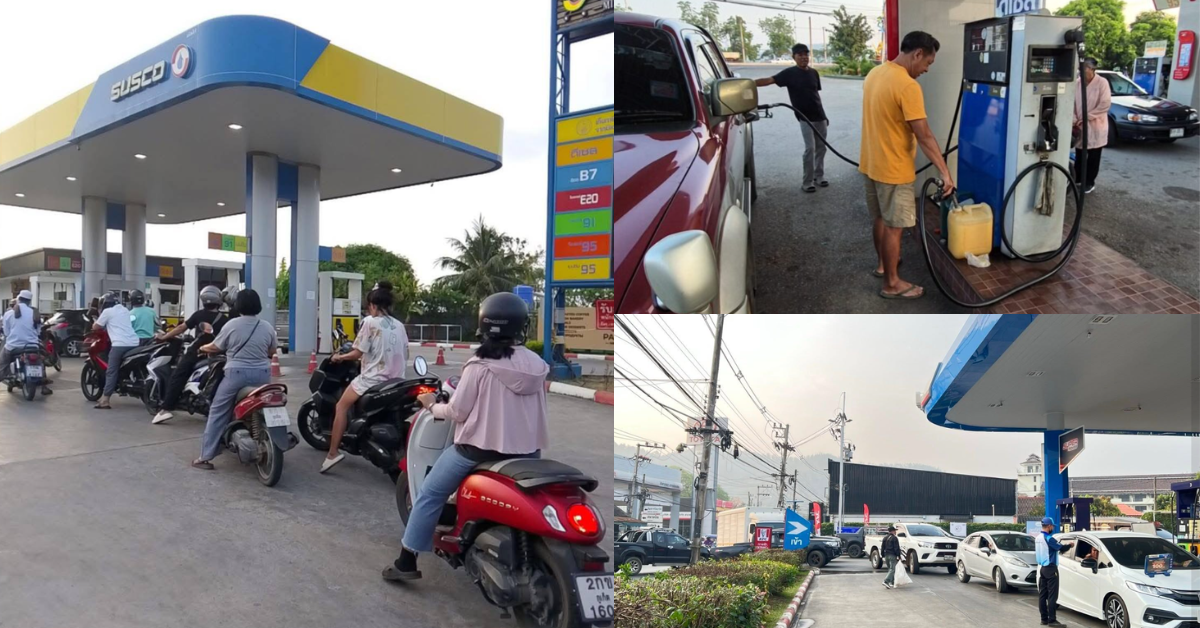
Long queues in front of petrol stations in some cities in Thailand are a strange occurrence this week. Motorists are filling their tanks more frequently than they would have done because they fear that the increasing tension in the Middle East may soon impact on the supply and cost of fuel in Thailand.
Although the authorities claim that there are still sufficient oil reserves in the country, the possibility of the shortage is already beginning to alter the daily behavior of the citizens of the country.
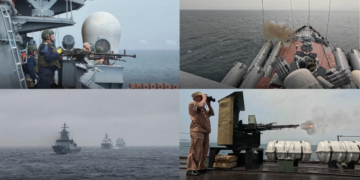
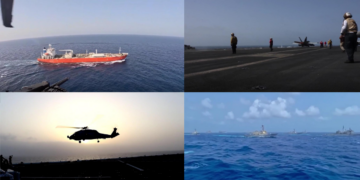
Thailand is an oil importer and most of its shipments pass through the Strait of Hormuz which is one of the greatest oil channels in the world. As the conflict between the United States, Israel, and Iran is ever-escalating, there is a growing concern among people that supply lines may be broken.
Although Thailand maintains emergency oil stocks, the situation in other countries has thrown some challenges to businesses and normal motorists.
Oil Reserves Under Watch
Thailand has an estimated 60 days of oil reserves at present, according to energy experts. Nevertheless, distribution to other areas may be inefficient in case the supply chains are problematic.
Certain depots in southern provinces like Surat Thani and Songkhla can just sustain the local demand not exceeding two weeks in case deliveries are slowed down. It is due to this that the authorities have started observing the fuel distribution keenly.
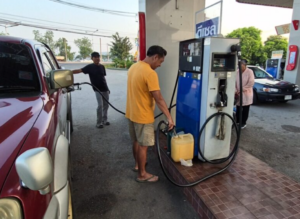
Governments have also threatened that the petrol stations could be given less oil in case the situation deteriorates. During normal periods, approximately 60,000 litres of fuel are loaded on a shipment into a station.
In stricter supply conditions, such quantities may be cut in half. Stations can also restrict the amount of fuel sold to the customers to ensure that they only fill their cars and not to keep the fuel in big containers.
There is an increase in transport and business costs
The cost of fuel has already begun increasing in a number of areas putting a strain on transport firms. Bus operators claim that diesel prices have gone up by more than a few baht per litre within a matter of days.
Since they operate on a high percentage of fuel, anything that raises the prices in the slightest may have a great impact on their operations.
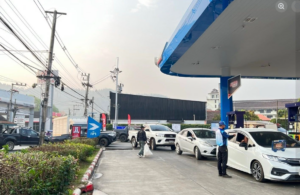
Other companies indicate that they can cut some of their routes in case the fuel prices rise further. The pressure is also being experienced by agricultural businesses.
In agriculture, various machines including tractors and trucks heavily rely on diesel and therefore the high prices may easily escalate the cost of production. Certain small operators have already started stocking up on additional fuel in case of any shortage.
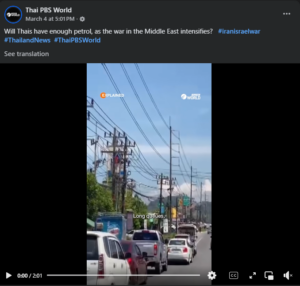
Watch the video here:
More from Wake Up Singapore:-
Chinese New Year Eve Robbery: Woman Dragged to Ground at Puchong Petrol Pump
Police Chief Says Slap May Have Been ‘Immediate Reaction’ at Johor Petrol Station
Not a Shooting, but a Suspect Fleeing Arrest: M’sia Police Clarify Klang Petrol Station Incident
If you have a story or a tip-off, email admin@wakeup.sg or get in touch via Whatsapp at 8882 5913.
Interested in advertising on our media channels? Reach out to us at admin@wakeup.sg!
Since you have made it to the end of the article, follow Wake Up Singapore on Telegram and X!
Wake Up Singapore is a volunteer-run site that covers alternative views in Singapore. If you want to volunteer with us, sign up here!