

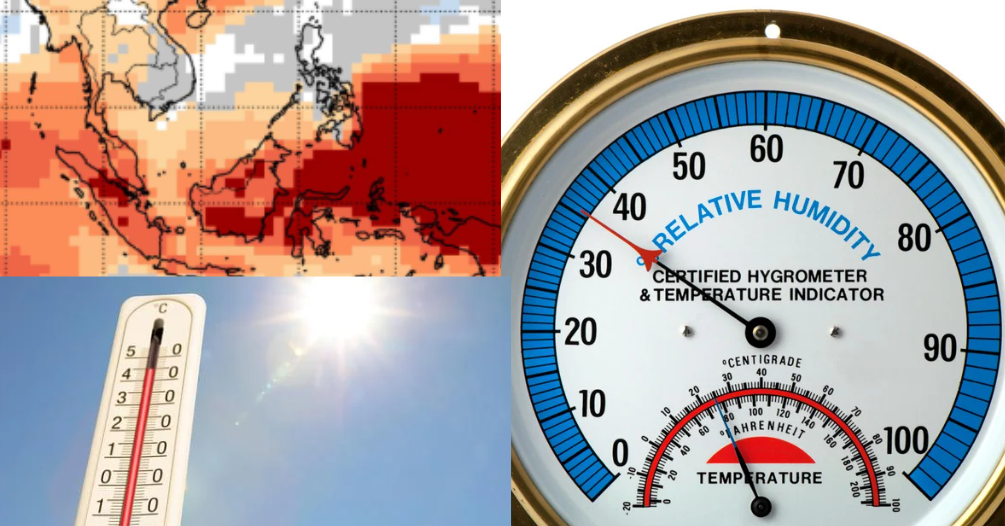
Climate change is creating new concerns in various countries in Asia, and Singapore is no exception. Recent analysis shows that Singapore has seen a decrease in rainfall despite the active monsoon rain band near Indonesia. March saw about below-normal rainfall, making it one of the driest months in recent years.
At the same time, temperatures were also higher than normal, making the hot and dry weather even more intense. According to the analysis of ASMC data, meteorologists say that April-June also see below-normal rainfall and relatively high temperatures. The changing Madden-Julian Oscillation (MJO) and La Nina conditions are seen as important factors behind this.
Impact of Dry Weather
Rainfall was significantly lower in various parts of Singapore in March. The north and east were the worst affected, with more than 60 percent less than normal. On the other hand, the west, which was in a relatively good condition, was still below normal. This has raised concerns about the impact on water bodies and greenery.
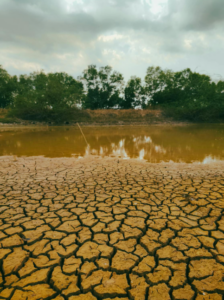
In addition, the increase in temperature due to the dry weather has also caused discomfort in the daily lives of citizens. Therefore, experts believe that if this situation lasts longer, it may have a bigger impact.
Overall Picture of Asia
Similar weather conditions are being observed not only in Singapore but also in other Asian countries. Temperatures are already very high in Thailand, and there is intense heat and light fog during the day. There is very little rainfall there, and the hot conditions are expected to continue until June.
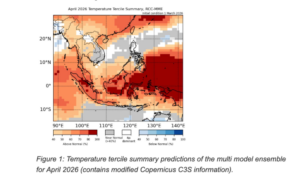
On the other hand, Malaysia is currently in the seasonal transition phase. As a result, even if there is some rainfall in the afternoon and evening, it is not able to reduce the temperature much. This regional picture shows that a warm and dry trend is developing throughout Southeast Asia.
Fears of El Nino
According to meteorologists, La Niña may end by April, and a strong El Niño may develop by June. Some models say that it may go into the “Super El Niño” phase, which can produce temperatures 2 degrees Celsius higher than normal.
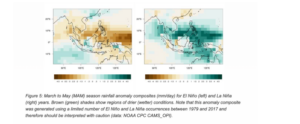
In the past, severe smog or haze was seen in Southeast Asia in such situations in 1997 and 2015. However, it is always expected that this forecast is still not certain, and the models can change many times. So monitoring the situation is the most important thing now.
What to Expect
While there is a possibility of less rainfall in Singapore in April, according to the ASEAN weather forecast, the temperature may be between 33 and 36 degrees Celsius. At the same time, the night temperature will also be relatively high, which will reduce the comfort. This change in weather is becoming more evident as the northeast monsoon ends late.
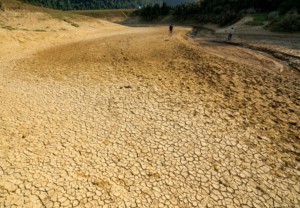
A new weather pattern may be seen when the southwest monsoon starts in June. However, until then, the hot and dry weather is likely to continue. As a result, experts have advised everyone to be health conscious and drink enough water.
More from Wake Up Singapore:-
Sengkang Town Council Rolls Out First Batch Of Modernised Lifts
If you have a story or a tip-off, email admin@wakeup.sg or get in touch via Whatsapp at 8882 5913.
Interested in advertising on our media channels? Reach out to us at admin@wakeup.sg!
Since you have made it to the end of the article, follow Wake Up Singapore on Telegram and X!
Wake Up Singapore is a volunteer-run site that covers alternative views in Singapore. If you want to volunteer with us, sign up here!