

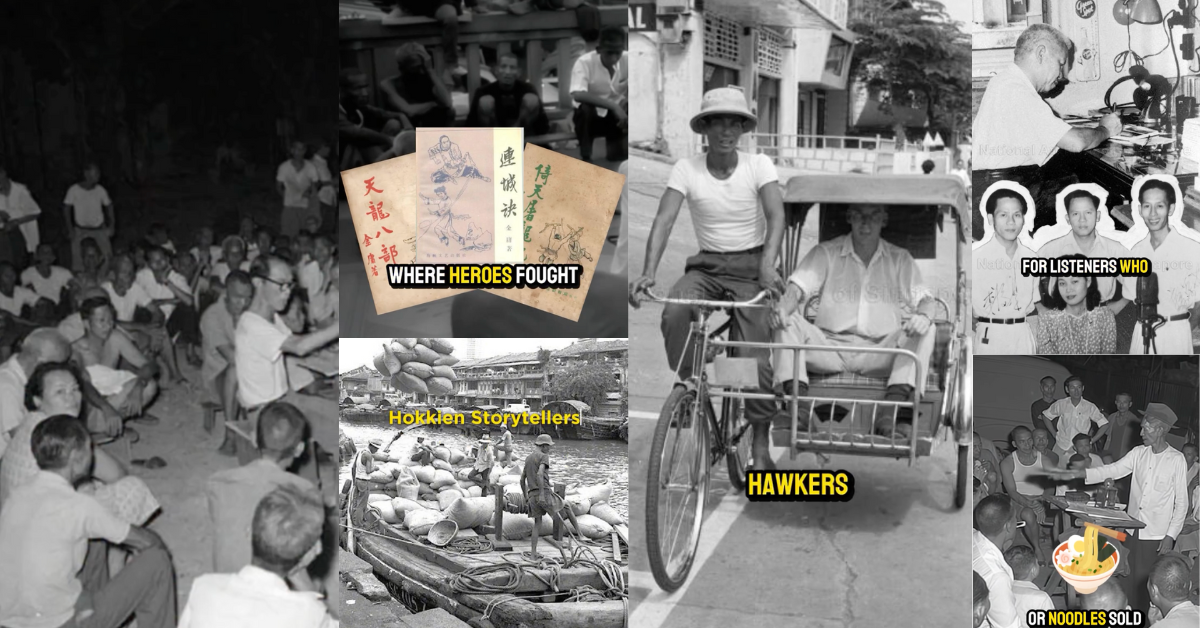
Long before Netflix or YouTube, the entertainment world of ordinary people in Singapore was different. At the end of the working day, working people would spend time sitting on the side of the road listening to stories.
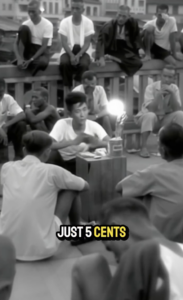
For just five cents, they would enjoy stories of war, heroism and justice. At that time, this ‘live story listening’ was Singapore’s first ‘binge-watching’ experience in today’s language.
Street Storytelling Sessions
In Singapore at that time, storytellers would gather in various areas as soon as the evening fell. Stories were told in Hokkien in Telok Ayer, Teochew in Bukit, and Cantonese in Chinatown. As a result, despite the different dialects, the excitement was the same.
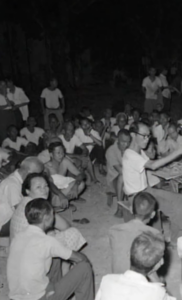
Storytellers would usually sit on straw mats or wooden boxes in empty spaces on the side of the road. Gradually, a crowd would gather there. This would bring the entire area to life.
Introduction to Storytellers
Most of these storytellers were experienced people in their fifties or sixties. Their voices were strong and clear, which could be heard even from a distance. They would tell popular stories like ‘Romance of the Three Kingdoms’ or ‘Water Margin’.
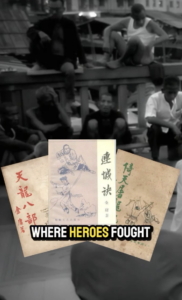
They would also tell heroic stories based on martial arts. To keep the audience interested, the stories would end in an exciting place. As a result, everyone would return the next day.
The Life of the Audience
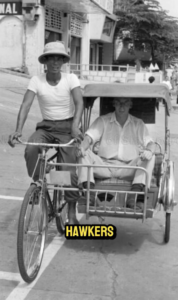
Laborers, rickshaw pullers, and hawkers mainly participated in the storytelling sessions. They would listen to stories to forget the fatigue of the day. Sometimes up to a hundred people would sit together. Hawkers would sell nuts or noodles nearby.
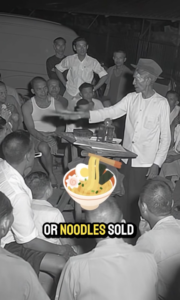
In this way, storytelling became a kind of social gathering. This session brought mental relief to the lives of ordinary people.
Incense Stick Time
Incense sticks were used to determine the time for storytelling. Lighting one incense stick meant an episode of about twenty minutes. When the incense went out, the story would stop. Then the storytellers would collect five cents from the audience.
This method made listening to stories more interesting. At the same time, it was easy to keep track of time.
News Media
These storytellers did not only provide entertainment. In many cases, they would read out news and notices. Because many people did not know how to read at that time. As a result, the storytellers played the role of local newsreaders in a sense.

This increased their social importance. Gradually, they became an important part of society.
Lost Tradition
However, with the advent of radio and television in the 1960s, this culture gradually began to disappear. As the use of dialect decreased in the 1980s, the tradition of listening to street stories almost disappeared.
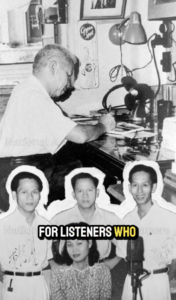
Today, it is just a memory. Yet this chapter remains a unique part of Singapore’s cultural history.
Reaction on Social Media
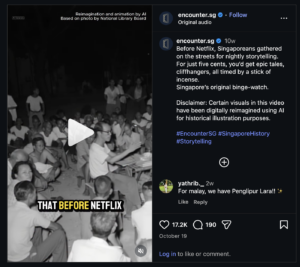
Recently, a video posted on Instagram has brought the history of these storytellers back into the spotlight. Many have commented that this is a beautiful part of Singapore’s history that the new generation should know. Someone jokingly asked, was there a subscription for families back then, or was it five cents for everyone?
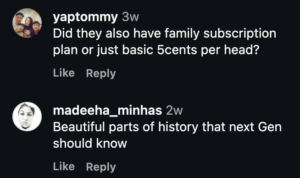 Another said that there is still a culture of listening to such stories in China and it should be brought back to Singapore.
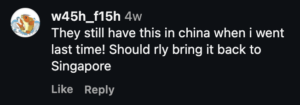
Overall, netizens expressed their excitement at the renewed discussion of this lost tradition.
Watch the video here:
More from Wake Up Singapore:
The Legend Returns: Rajinikanth’s Iconic ‘Padayappa’ to Screen in Singapore Starting December 22
Singapore’s Mei Fei in Bharatanatyam—A Dance Journey Bridging Cultures
The HDB Project Most Singaporeans Might Not Know About—1,330 km Away
If you have a story or a tip-off, email admin@wakeup.sg or get in touch via Whatsapp at 8882 5913.
Interested in advertising on our media channels? Reach out to us at admin@wakeup.sg!
Since you have made it to the end of the article, follow Wake Up Singapore on Telegram and X!
Wake Up Singapore is a volunteer-run site that covers alternative views in Singapore. If you want to volunteer with us, sign up here!