

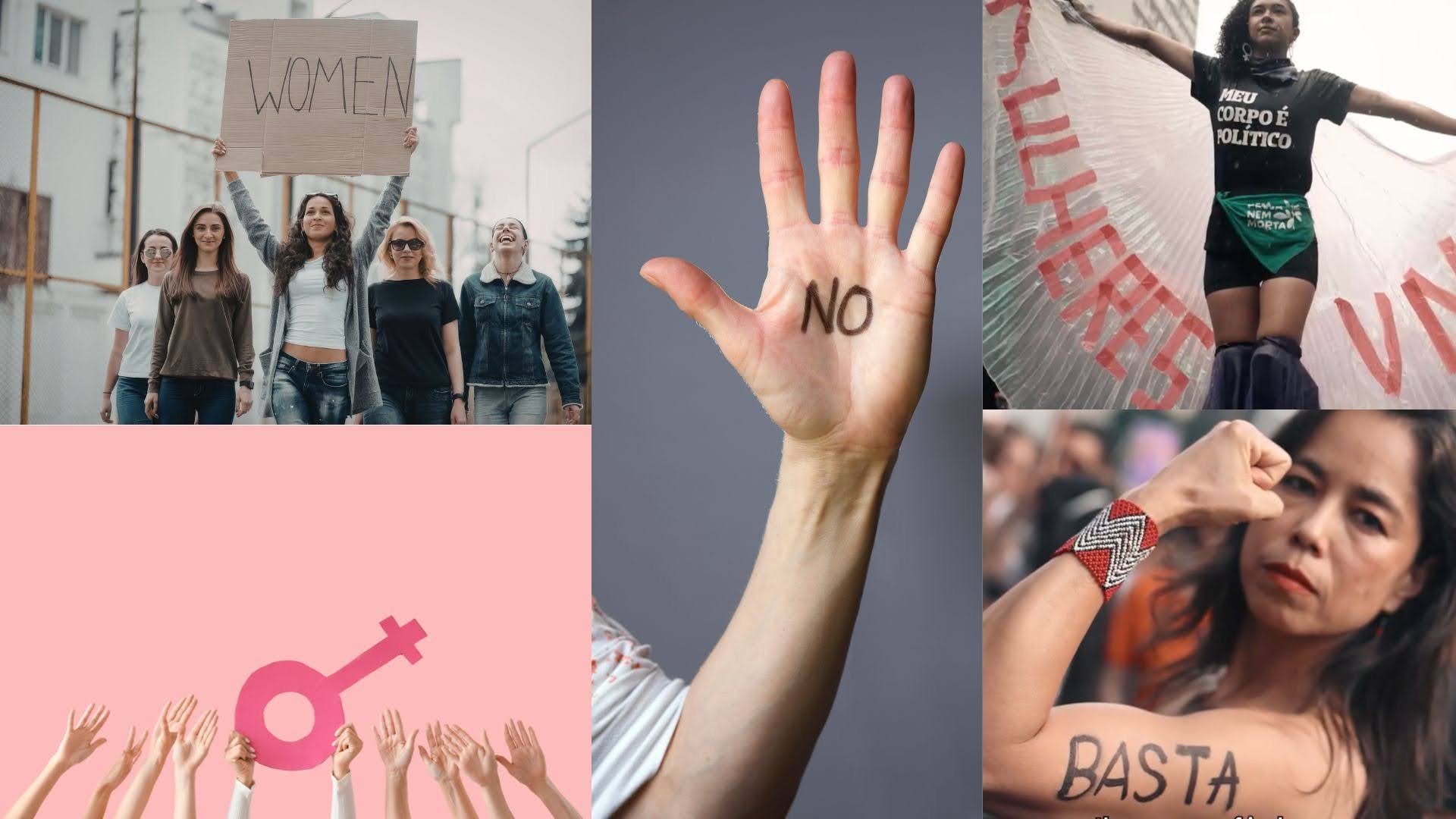
A new generation is rewriting the social compact in the digital battlefields and the corridors of power, despite an increase in femicide. In Brazil, women are fighting back with moxie, using social media to highlight cases, organise communities, and put pressure on authorities. Grassroots networks are protecting survivors and calling for genuine enforcement, transforming indignation into action.
The Cost of a “No”
It started with a bouquet and finished with forty stab wounds. When Luiz Felipe Sampaio responded to Alana Rosa’s courteous rejection with a pocket knife, he did more than just attack a lady; he demolished the notion of the “romantic” persistent suitor. Alana, who only wanted to focus on her academics, survived a home invasion that put her in an induced coma and required many surgeries.

By mid-April 2026, her appearance in court to confront her attacker had become a symbol of defiance. Her narrative is the ultimate example that, in an entitlement society, a woman’s agency is frequently seen as a deadly offence.
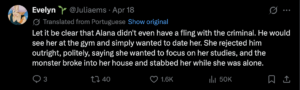


This was not an outlier. It became a flashpoint. By 2025, gender based violence in Brazil had surged to record levels, with more than one in three women affected. The case forced a hard truth into the open: for many women, saying no can carry life or death consequences.
A Red Pill Moment in Brazil
For digital natives, the front line is the “For You Page,” where the #CasoElaDigaNao (If she says no) trend has weaponized the algorithm. These aren’t just “edgy” memes, but digital blueprints for real-world trauma. Men are now clout-chasing with cruelty, posting POV “retaliation” clip that perform a hollow, loud brand of dominance. It’s a virtual training ground where a fragile ego is masked by a performance of brutality, proving that for some, the inability to hear “no” is a viral trend.


This ecosystem feeds itself. It rewards outrage, strips empathy, and pushes extreme ideas into the mainstream. What gains traction online does not stay there. It bleeds into daily life. A generation raised on these platforms sees the pattern clearly and calls it out. Ending it means more than deleting posts. It means rejecting the worldview that treats female autonomy as a threat.
Brazil Strikes Back
In December 2025, Brazil moved from talk to action. Lawmakers rolled out measures that let judges immediately revoke firearm access, remove abusers from shared homes, and enforce strict no contact orders. These steps aim to break the cycle early. They strip power from abusers and close the gaps that once let violence escalate unchecked. By treating gender based violence as a public safety crisis, not a private matter, the state signals a shift in priorities and responsibility.

Buen Vivir: Redefining the Social Contract
Policy alone cannot solve this. Activists and communities point to Buen Vivir, a framework rooted in Indigenous and Afro descendant traditions that centers collective well being over individual dominance.
For younger generations, it offers a reset. It challenges the idea that power comes from control and replaces it with mutual respect and accountability. The goal is not just to punish violence, but to prevent it.
Watch the video here.
More from Wake Up Singapore:-
Paris protesters denounce withdrawn antisemitism bill as threat to fundamental free speech
Elderly Brazilian Woman Stuns Crowd with Amazing Street Football Skills
If you have a story or a tip-off, email admin@wakeup.sg or get in touch via Whatsapp at 8882 5913.
Interested in advertising on our media channels? Reach out to us at admin@wakeup.sg!
Since you have made it to the end of the article, follow Wake Up Singapore on Telegram and X!
Wake Up Singapore is a volunteer-run site that covers alternative views in Singapore. If you want to volunteer with us, sign up here!