
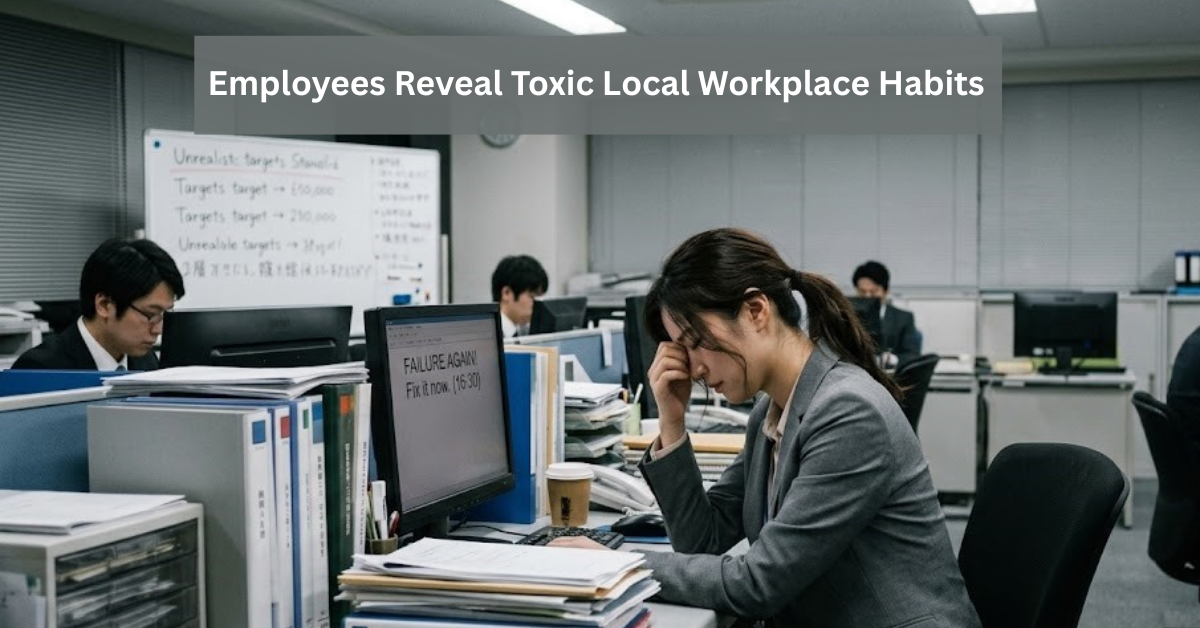
Long hours. Smaller teams. Messages arriving after work. These have become everyday realities across many Singapore workplaces.
Once seen as signs of commitment, many employees now see them as habits that create stress and slowly erase the line between work and personal life.
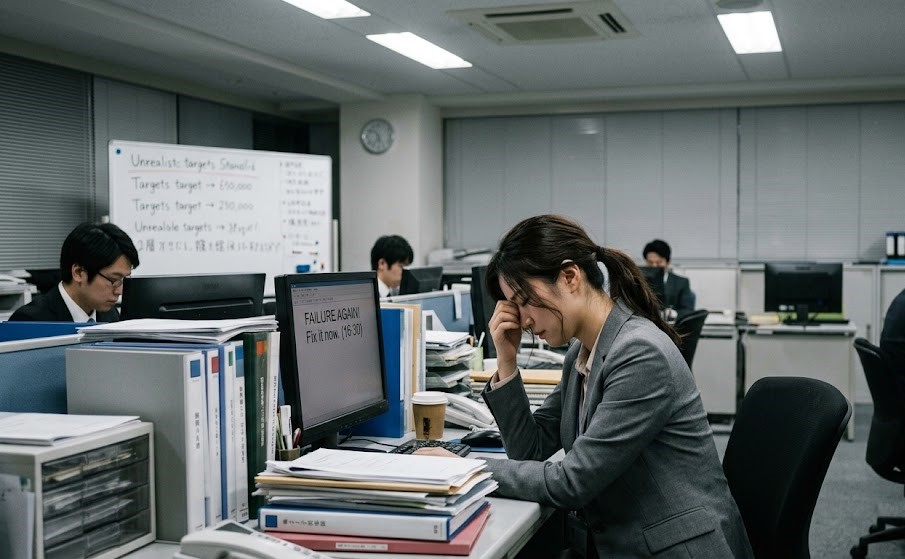
An online discussion showed that toxic workplace culture is not always loud or obvious. Sometimes the biggest problems come from routines that everyone has accepted.
The Workplace Habits Under Fire
One issue came up again and again. Chronic understaffing.
Fewer employees are expected to handle the same amount of work, sometimes even more. Many described understaffing as being labelled “efficiency”. In reality, the same amount of work ends up spread across fewer people. More responsibilities. Same pay. Same working hours on paper.
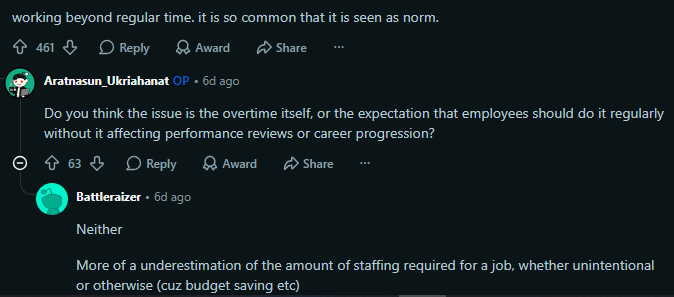
Overtime also came up repeatedly. Staying late has become so common that leaving on time can sometimes feel unusual, even after every task is finished. Working beyond official hours is slowly being treated as the expected standard instead of the exception.

Messages after work received plenty of criticism too. A quick notification during dinner, while on leave, or over the weekend can make work feel impossible to switch off from. The message itself is rarely the issue. The expectation to reply immediately is what many find frustrating.
Beyond The Daily Workload
The discussion was not only about workload. It also addressed work boundaries and simple respect.
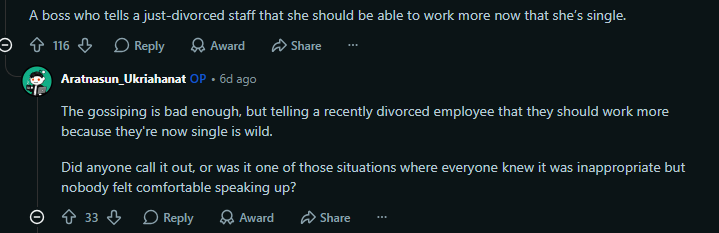
Concerns were raised by some members of staff regarding managers raising personal issues or making inappropriate comments on private issues. Some asked how it has become a requirement to connect with colleagues on personal social media accounts when there are already professional accounts.
One other problem that came up was the increased use of interns as opposed to employing junior full-time staff. Internships can be good experiences, but some interns said that they are occasionally given regular jobs without a clear progression into a full-time position.
Work Culture Is Being Questioned
Long hours, being on call and lack of boundaries between work and life were once considered normal indicators of commitment. Today, more workers are wondering if such practices build better workplaces or add stress.
Ultimately, the question is simple. Do work practices regularly impact one’s personal health and happiness, or should they be accepted as the normal?
See the post here:
What's the most toxic thing that's become normalised in Singapore workplaces?
byu/Aratnasun_Ukriahanat inaskSingapore
More from Wake Up Singapore:-
What Are Your Pet Peeves,? Singaporean Shares Everyday Frustrations Across Daily Life
Londoner Amazed by Singapore Tree Roots That Never Crack Pavements Like London’s
Cockroach on MRT Receives More Courtesy Than Some Priority Passengers
If you have a story or a tip-off, email admin@wakeup.sg or get in touch via Whatsapp at 8882 5913.
Interested in advertising on our media channels? Reach out to us at admin@wakeup.sg!
Since you have made it to the end of the article, follow Wake Up Singapore on Telegram and X!
Wake Up Singapore is a volunteer-run site that covers alternative views in Singapore. If you want to volunteer with us, sign up here!