

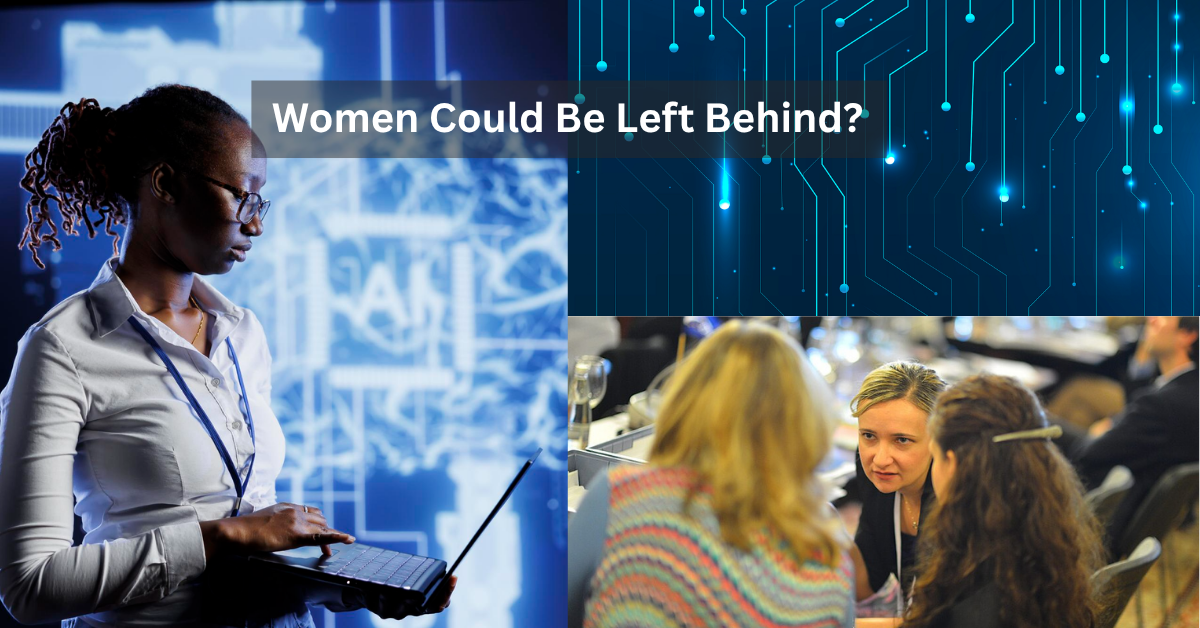
A new study by Nineby9 highlights how women face greater risks from AI-driven job disruption while also being underrepresented in the roles being created by emerging technologies.
As companies race to adopt artificial intelligence, new research suggests women could face a disproportionate share of the disruption unless businesses take deliberate action.

Speaking on the Earned First podcast, founder Arun Sudhaman, Christine Fellowes, founder of Nineby9, and Jane Morgan, chief client officer at Ashbury Communications, discussed findings from the organisation’s latest report, AI and the Future of Women in the Workplace.
The report looks at the impact AI is having on jobs in many sectors and why women could be at risk during the transition.
“A Double Exposure”
In the age of AI, Fellowes says women are experiencing a “double exposure.”
Women are currently overrepresented in administrative, clerical, and coordination roles, many of which are expected to be significantly affected by automation. At the same time, they remain underrepresented in the STEM-related fields that are likely to generate many of the new AI-driven opportunities.

Women are more likely to hold jobs vulnerable to AI disruption while remaining underrepresented in emerging AI roles, she explained.
The report also revealed that women are a minority of the global workforce in AI-related positions and suggested that the current gender imbalance in the workplace may be exacerbated as AI becomes more prevalent.
A Different Approach to AI
The study revealed that there are distinct differences in how women and men use AI in the workplace.
Women are interested in using AI but want to learn about company policies, ethics and guidelines first before implementing it in their work.

This considered approach could be helpful for organisations, Fellowes said. She added that, however, the workplace tends to reward those who quickly try out AI and demonstrate their ability to the world.
As a result, recognition tends to go to those who move fast, rather than those who focus on accuracy, managing risks, and ensuring AI is used effectively in the long term.
Concerns For The Next Generation
One of the report’s most concerning findings centres on younger workers.
Entry-level roles have traditionally helped young professionals build skills, gain confidence, and grow their professional networks. However, many of these roles are among the first to be impacted by AI-driven efficiencies.

The researchers warn that reduced entry-level opportunities could create long-term consequences for women’s representation in leadership positions.
Without strong pathways into organisations, fewer women may progress through the talent pipeline over time.
Calls for Action
The speakers emphasized that while there are concerns, the results should not be taken as a trigger for fear of AI.
Rather, they say, businesses can be a catalyst for a more fair future by integrating tech and staff strategies, investing in employee growth, and ensuring women are part of the workforce development and decision-making process around AI.
See the video here:
More from Wake Up Singapore:-
Singapore’s Wildlife Comebacks: Species Brought Back From Local Extinction
WHO: Suspected Ebola Cases Fall, But Outbreak Remains Unpredictable
Creator in Singapore Showcases Memorable Packaging of Heritage Festival from MRT Station
If you have a story or a tip-off, email admin@wakeup.sg or get in touch via Whatsapp at 8882 5913.
Interested in advertising on our media channels? Reach out to us at admin@wakeup.sg!
Since you have made it to the end of the article, follow Wake Up Singapore on Telegram and X!
Wake Up Singapore is a volunteer-run site that covers alternative views in Singapore. If you want to volunteer with us, sign up here!