

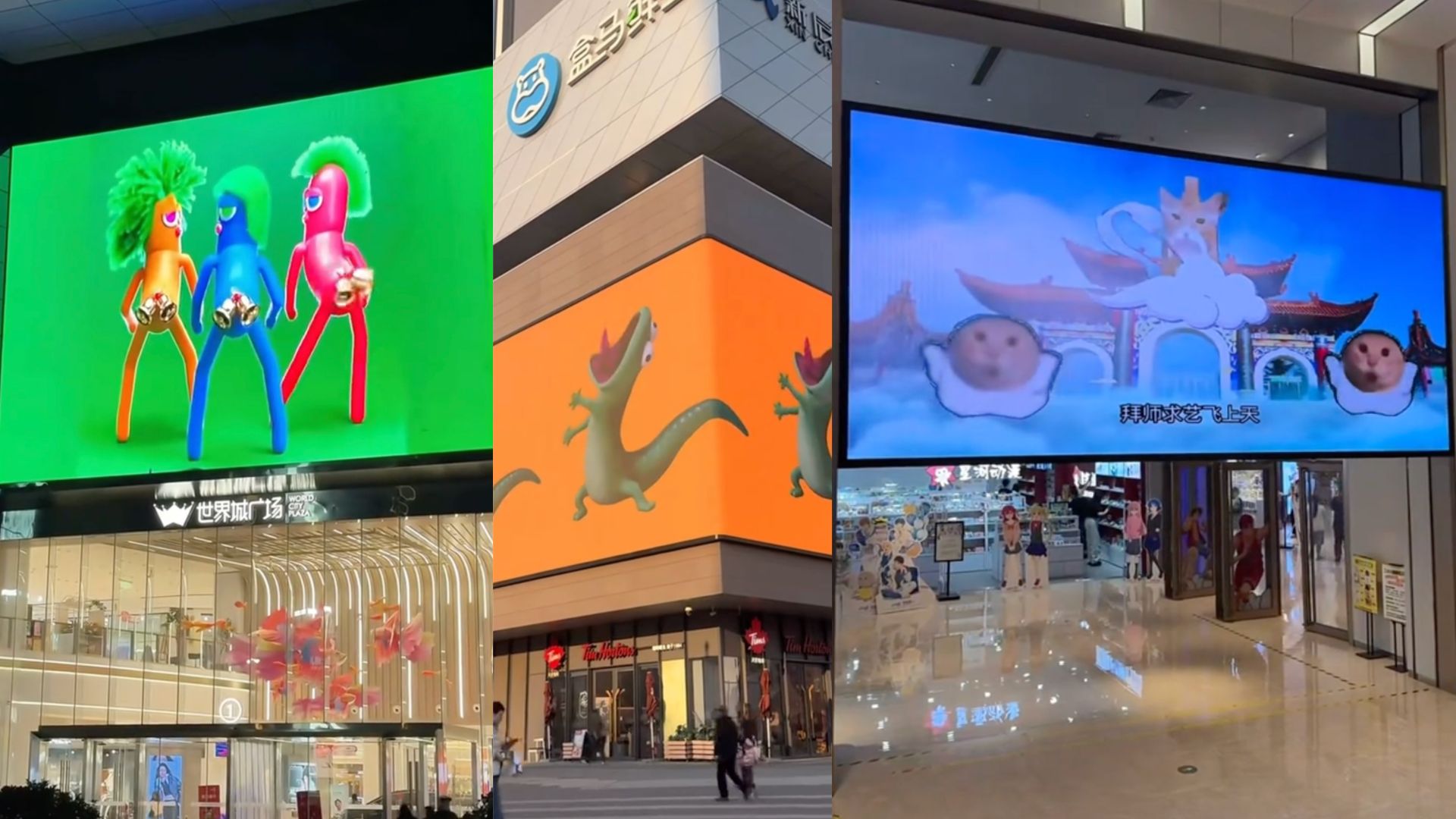
The viral trend of self-deprecating humor that cuts through billboard advertisements in China is making people giggle. The TikTok’s native brain-rot memes are purposefully giving green-screen edits on city screens, replacing product pictures from major retail companies. Through internet humor, younger audiences that filter the world with approachability and humorous manners outweighs flawless, perfectionist branding establishment.
Modern Advertising 101
Consumers who are tired of common advertising become the driving force behind the change. Younger consumers are the revelation of the industry’s insight, filtering the world through online humor, becoming less invested in corporate advertisement. Chinese Gen Z and millennials are rejecting perfectionism in favor of cultural memes, sarcastic inside jokes within TikTok, and genuine “brain-rot” humor. Brands are dismantling typical commercial breaks to transform overt advertising into an opportunity of cultural engagement.
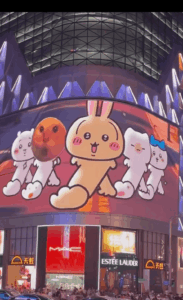
Screengrab of the video
Brands are slowly tapping towards biaoqingbao (expression packs) and subcultures into a form of defeatism and ironic decadence. Hyper brain-rot and cute animations meme formats make corporations tuned into more relatable for audiences to acknowledge at. From rough visuals and slangs like XSWL (dying laughing) to mascots of TikTok that everyone can relate to, the impact increases instant recognition. In a world of attention-competitive economy, internet brain rot remains winning to cultural virality.
Flip Side of Asia
On the contrary, this philosophy is not the case in Singaporean jurisdiction. Under the Building Control (Outdoor Advertising) regulations, the city views roadside visuals like TikTok brain-rot memes as public distraction. By the Building and Construction Authority, commercial signs above roads, motorways, and center medians are prohibited. Additionally, flashing or flickering, and running lights that could divert drivers are considered prohibited in this case as well.
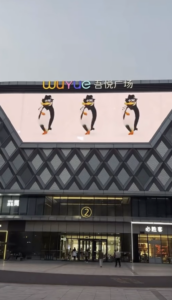
Screengrab of the video
According to The Urban Redevelopment Authority’s Central Area Signage Guidelines, the advertising to pedestrian centers such as Orchard Road forbids dynamic billboards. The disruptive displays with fines up to $5,000 SGD for venturing outside of designated zones. In contrast to the meme-fueled billboard anarchy of Chinese megacities, the city enforces a controlled, safety-first horizon.
The Contrast
The cultural starkness between two Asian centers remains a revelation between the way they attract audiences’ attention. China embraces commercial chaoticness and relies on viewers to navigate it, turning rapidly evolving reflection of online culture on public space. On the other hand, Singapore is careful via prioritizing safety, predictability, and order over virality. They demonstrated distinct division between a meme-centric and boundary-assured regulations, yet the advertisement lingers within the country.
If you have a story or a tip-off, email admin@wakeup.sg or get in touch via Whatsapp at 8882 5913.
Interested in advertising on our media channels? Reach out to us at admin@wakeup.sg!
Since you have made it to the end of the article, follow Wake Up Singapore on Telegram and X!
Wake Up Singapore is a volunteer-run site that covers alternative views in Singapore. If you want to volunteer with us, sign up here!
Speed humps! – Camel TRAFFIC LIGHTS in China’s Gobi Desert for peak tourist season
Young Camera Operator Becomes Surprise Star in China’s Dance Livestream World
If you have a story or a tip-off, email admin@wakeup.sg or get in touch via Whatsapp at 8882 5913.
Interested in advertising on our media channels? Reach out to us at admin@wakeup.sg!
Since you have made it to the end of the article, follow Wake Up Singapore on Telegram and X!
Wake Up Singapore is a volunteer-run site that covers alternative views in Singapore. If you want to volunteer with us, sign up here!