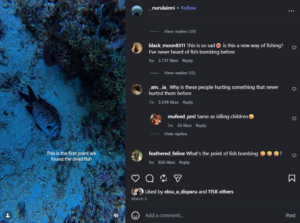

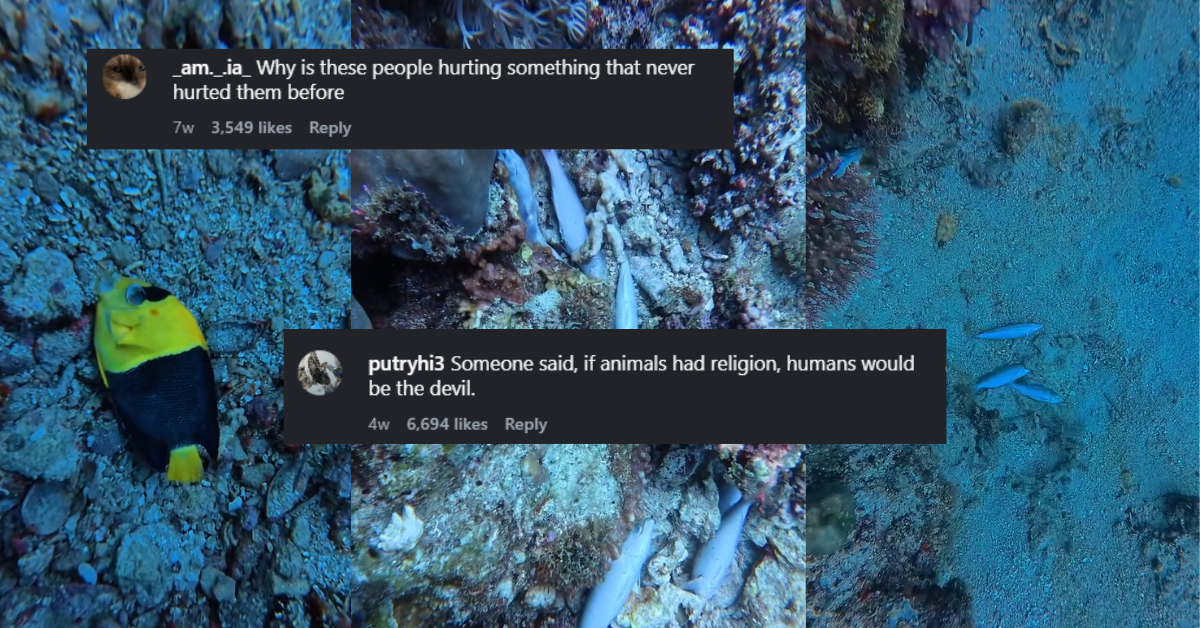
The sound of an explosion breaks the calm sea. Moments later, dead fish float to the surface. This method, known as fish bombing, is still used in some parts of Southeast Asia. It is a fast way to catch large amounts of fish, but it brings serious harm to the ocean.
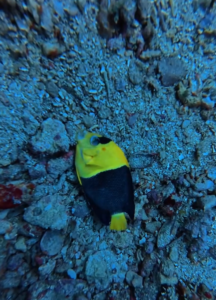
Fish bombing uses homemade explosives. Fishermen throw these devices into the water, causing a blast that kills or stuns fish nearby. The fish are then collected easily. While this method may seem effective, it creates long-term damage that is hard to repair.
Severe Damage to Marine Ecosystems
The explosion not only affects fish. It also destroys coral reefs, which are important homes for many sea animals. Coral reefs take many years to grow, but they can be destroyed in seconds. Once damaged, they may never fully recover.
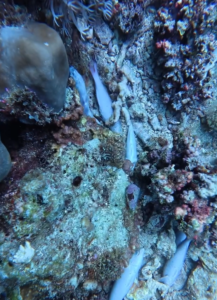
Many small fish and sea creatures die in the blast. This reduces the number of fish in the area over time. As a result, fishermen may find it harder to catch fish in the future. The balance of the marine ecosystem becomes unstable.
Risks to Human Safety
Fish bombing is also dangerous for people. Handling explosives without proper knowledge can lead to accidents. Some fishermen have been injured or even killed while using this method. The risk is high, especially with unsafe materials.
In coastal communities, the impact goes beyond the sea. Fewer fish mean less income for families who depend on fishing. This can affect food supply and daily life for many people living near the coast.
Efforts to Stop Illegal Practice
Authorities in several countries are working to stop fish bombing. Laws have been introduced to punish those who use explosives for fishing. Patrol teams monitor coastal areas and take action against illegal activities.
Education programs are also being introduced. These programs teach fishermen safer and more sustainable fishing methods. By protecting the ocean, communities can continue to rely on it for future generations.


Fish bombing remains a serious issue. While it offers quick results, the damage it causes is lasting and widespread.
Watch the video here: