
Singapore: A Record Turnout in Little India and Beyond
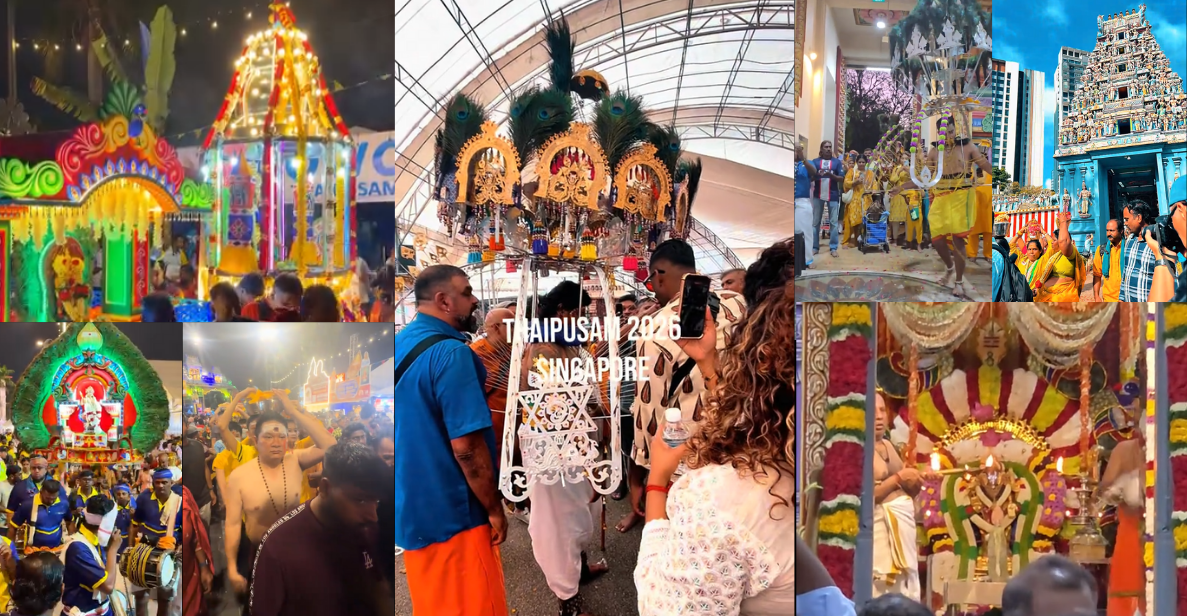
This Thaipusam 2026 saw a record number of devotees taking part in Singapore’s traditional procession, with over 19,000 people participating — about 20 % more than last year. More than 19,000 paal kudam (milk pot) carriers and around 349 kavadi bearers made the 3.2 km journey on foot from Sri Srinivasa Perumal Temple on Serangoon Road to Sri Thendayuthapani Temple on Tank Road in Little India.
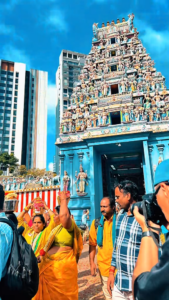
The festival began late on 31 January with milk pot carriers setting off at around 11.20 pm, followed by kavadi bearers, some piercing themselves with ornate frames of metal rods and hooks, at about 3:15 am. Along the way, instrumental music, spontaneous dancing and waves of yellow and orange attire painted the streets in vibrant scenes of devotion.
Personal Devotion Across Generations
For many, Thaipusam is deeply personal. A hospital worker shared to sources that he carried the kavadi for the fourth consecutive year in gratitude for his daughter’s birth after years of waiting. A 12‑year‑old Primary 6 pupil carried a paal kavadi, praying for success in his Primary School Leaving Examinations.
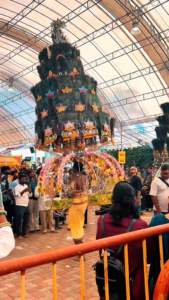
The festival also inspired family participation and support along the route. Mrs Karuppayi, 85, navigated the crowd in a wheelchair to witness her grandson complete his vow — assisted by volunteers along the way. Among participants were people of various ages and backgrounds, reflecting the unifying spirit of the celebration.
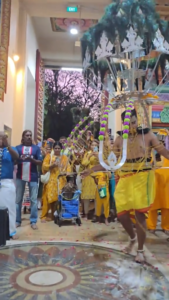
To manage the larger crowd, temple organisers introduced additional entry and exit points at Sri Thendayuthapani Temple and opened online and walk‑in registration slots, ensuring more devotees could complete their vows.
Malaysia: Batu Caves Radiates Faith and Charity
Across the causeway in Malaysia, the famed Batu Caves sites were filled with a sea of yellow‑clad devotees ascending the steps to offer milk pots and carry kavadis as acts of devotion.
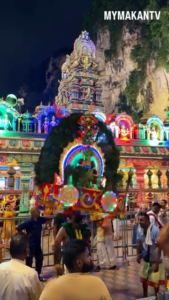
Thousands of visitors, including tourists, joined the scene, making Thaipusam one of the country’s most colourful religious events.
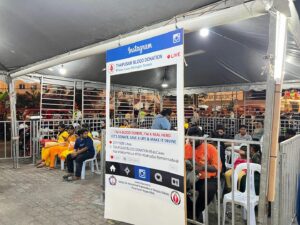
In an inspiring community initiative, Malaysians held a blood donation drive in front of the temple, collecting 1,006 bags of blood by early 1 February to help replenish hospital supplies in the Klang Valley — welcoming donors of all backgrounds.
India and the Global Tamil Diaspora
Thaipusam rituals were also observed in Tamil Nadu and other parts of India, where devotees performed prayers, made offerings, and celebrated Murugan’s blessings in temples and at home. Tamil communities worldwide took part in their own ways, keeping traditions alive far beyond the festival’s origin.
Insights into the meaning and history of Thaipusam describe it as a celebration of faith, self‑discipline, sacrifice, and gratitude to Lord Murugan, often marked by milk offerings, processions, and vows fulfilled in hope and devotion.
What Thaipusam Means: Faith, Sacrifice and Renewal
The sacred Hindu festival Thaipusam takes place during the Tamil month of Thai which falls between January and February to honor Lord Murugan who represents courage and wisdom and victory over evil. The festival commemorates the moment when Goddess Parvati gifted Murugan the divine spear which he used to defeat destructive forces and restore cosmic balance.
The Thaipusam celebration serves as a period for devotees to express gratitude while they achieve spiritual cleansing and their faith undergoes revitalization. The people who want to prepare their bodies and minds for this event will use three methods which include fasting and prayer and basic living until they reach their goal of carrying milk pots which they call paalkudams or kavadis to show their life burdens and their need for strength to handle these challenges.
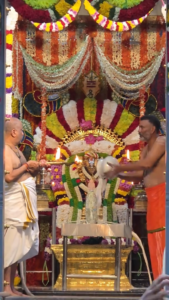
The celebration needs devotional chants and traditional music and barefoot processions and acts of discipline to create a space where people establish their shared beliefs and religious devotion.
The observance of Thaipusam unites families through its practice in both temple spaces and domestic areas and community gatherings which occur throughout the world because it combines three elements of faith: devotion and endurance and gratitude: that devotees use to express their belief across all borders.
More Than a Festival: A Shared Spiritual Journey
Across Singapore, Malaysia, India, and beyond, Thaipusam has become a vivid expression of cultural devotion and community spirit. From the rhythmic processions and striking colours to acts of charity and family participation, the festival unites people in a shared journey of faith, endurance, and gratitude — echoing age‑old traditions in a modern world.
Watch videos here:
@just_bhavani
@suthapazhanivel அதிகாலை என் அப்பன் தரிசனம் | தைப்பூசம் இடும்பன் கடம்பன் முருகன் காவடி பாடல் | Idumban Kadamban Vara
@anegunnews சீன சமூகத்தினரும் பத்துமலை முருகனுக்கு பால்குடம் ஏந்தி நேர்த்திக்கடன் செலுத்தினர் Members of the Chinese Community Also Carry Milk Pots in Devotion to Lord Murugan at Batu Caves #anegunnews #anegunmedia @We Love Batu Caves @Team DSK
♬ Kundrathile Kumaranukku Kondattam Remix Thaipusam – imaginoromansophilia🌜
More from Wake Up Singapore:-
A Celebration on Both Sides of the Causeway: Deepavali Dazzles in Singapore and Malaysia
Happy Pongal!: Heartlands, Dormitories and Homes Celebrate Harvest Traditions Across Singapore
Blending Traditions: Chinese Lion Dance Joins Hindu Kavadi in Singapore’s Thaipusam Festivities!
If you have a story or a tip-off, email admin@wakeup.sg or get in touch via Whatsapp at 8882 5913.
Interested in advertising on our media channels? Reach out to us at admin@wakeup.sg!
Since you have made it to the end of the article, follow Wake Up Singapore on Telegram and X!
Wake Up Singapore is a volunteer-run site that covers alternative views in Singapore. If you want to volunteer with us, sign up here!