

The revised littering law is going to be implemented more strictly from 2026 to ensure the cleanliness of public areas in Malaysia. The new law also considers pet feces as direct garbage. As a result, if the owner does not clean up dog or cat feces on roads, parks or open spaces, he may have to pay a fine of thousands of ringgit.
Although the issue seems simple, in reality it has given rise to various discussions and debates in society. The government says that ensuring cleanliness is the main goal. However, there are also different opinions among pet owners and animal rights activists.
Law and Fines
According to the revised Streets, Drainage and Building Act, the fine for littering for the first time can be up to a maximum of 2,000 ringgit. This figure will increase to a maximum of 3,000 ringgit for the second or subsequent offense.
Where previously the fine limit for repeat offenses was 1,000 ringgit, the new law has become stricter. Not cleaning up pet feces will now also fall under this law. As a result, the matter no longer leaves room for negligence.
Community Service
The new law includes community service in addition to fines. If the court so wishes, it can order people to participate in cleaning work for up to 12 hours without pay for minor offenses. This includes work such as cleaning drains, sweeping streets or cleaning public toilets.
However, the physical and mental condition of the accused will also be taken into account. Separate provisions will apply to minors according to the Child Act.
2026 Goals
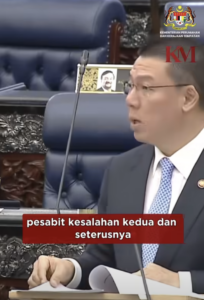
Housing and Local Government Minister Nga Kor Ming said that the implementation of this law is very important in view of Visit Malaysia 2026. According to the government, clean cities and public spaces will send a positive message to foreign tourists.
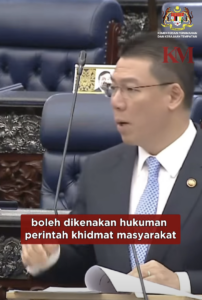
He said that animal feces, cigarette filters, or food wrappers will all be considered garbage. In fact, the law will apply equally to everyone; no one, local or foreign, will be exempted. If necessary, influential people in society may also have to do community service.
Pet Owners
Pet owners also have mixed reactions. Many believe that this law will force owners to be responsible. Carrying poop bags is now becoming a normal habit for people who regularly walk their dogs. However, some cat owners say that it is difficult to control the behavior of roaming cats. They fear that inconsistencies in the application of the law may arise.
Society and Controversy
Animal rights activists say that a clean environment is good for everyone. However, imposing direct fines without proper awareness can increase disputes between neighbors. Especially where the number of stray animals is high, there is a risk of complaints and misunderstandings.
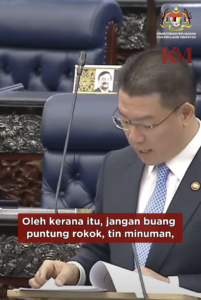
On the other hand, many of those who do not have pets say that this law is timely. Some also question how much resources are reasonable to spend on this sector, leaving a big problem.
All in all, this law, which will be implemented from 2026, could bring about a big change in the culture of cleanliness in Malaysia. However, many agree that public awareness and coordinated enforcement are essential for successful implementation, in addition to fines.
Watch the video here.
More from Wake Up Singapore:
‘I didn’t rescue them, I was rescued by them,’ Priest Brings Stray Dogs to Mass for Adoption
Woman Feeds More Than 80 Stray Dogs Every Day, Making Food in Her Car
Dog Interrupts Peaceful Sunset Video After Mistaking Phone for Perfect Toilet Spot
If you have a story or a tip-off, email admin@wakeup.sg or get in touch via Whatsapp at 8882 5913.
Interested in advertising on our media channels? Reach out to us at admin@wakeup.sg!
Since you have made it to the end of the article, follow Wake Up Singapore on Telegram and X!
Wake Up Singapore is a volunteer-run site that covers alternative views in Singapore. If you want to volunteer with us, sign up here!