
“Being an Employer Is an Amanah”
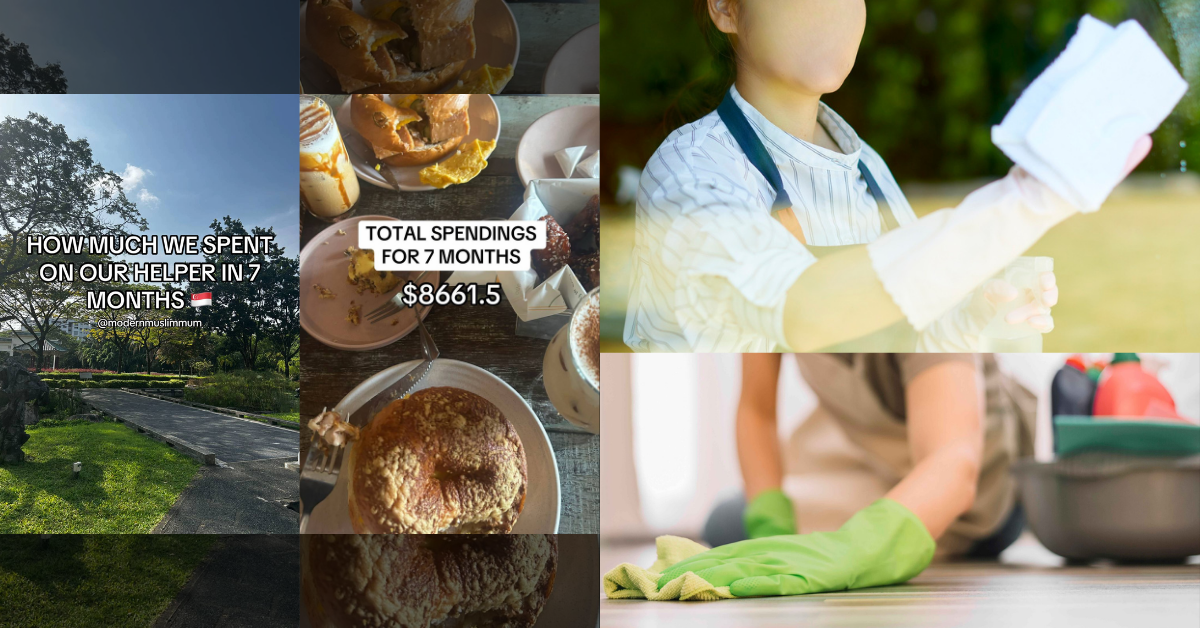
A Singaporean mother has drawn attention online after detailing how much her family spent on their domestic helper over seven months, totalling $8,661.50.
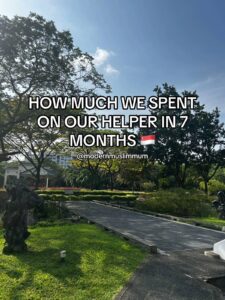
In a TikTok post shared online, the mother framed her role as an employer as a moral responsibility, writing:
“As a Muslim mum, I remind myself that being an employer at home is an amanah.
To be understanding, respectful and treat our helper with dignity and care.”
She added that all people are equal in the eyes of Allah, ending the caption with a prayer for good intentions.
A Transparent Breakdown of Helper-Related Costs
The post included a detailed expense list, split into one-time, recurring, and additional costs.
One-time/upfront costs amounted to $2,490.50, including:
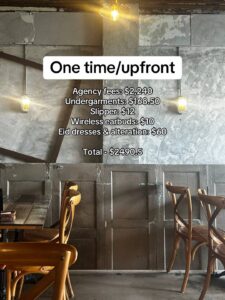
- Agency fees: $2,240
- Undergarments: $168.50
- Slippers: $12
- Wireless earbuds: $10
- Eid dresses and alterations: $60
Recurring expenses over seven months totalled $5,768, covering:
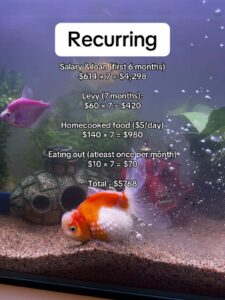
- Salary and loan repayment: $614 per month (7 months = $4,298)
- Foreign worker levy: $420
- Home-cooked meals ($5/day): $980
- Eating out at least once a month: $70
Additional costs included:
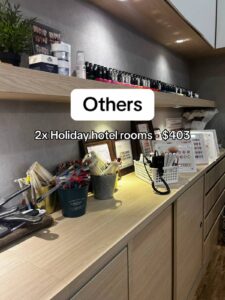
- Two hotel rooms during family holidays: $403
- Monthly mobile data plan: $10 per month (later clarified in comments)
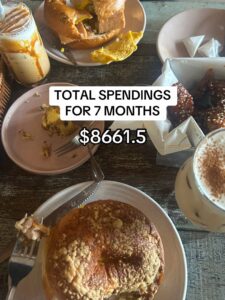
The final total came to $8,661.50.
Creator Explains the Purpose Behind the Post
As questions and opinions surfaced, the creator clarified that her intention was not to scrutinise her helper’s expenses.
Responding to a commenter who described her as “calculative,” she said:
“This post is for those who would like to know how much spending having a helper and if it’s a good idea to have one, because I didn’t have this information before hiring one.”
Discussion Emerges Over Helper Salary and Living Costs
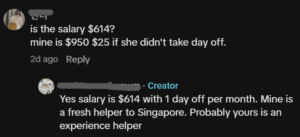
A large part of the conversation focused on the helper’s $614 monthly salary, which comes with one rest day per month.
Some questioned how a helper could live on that amount, while others pointed out that domestic helpers in Singapore have housing, food, utilities, toiletries, and clothing provided by employers, unlike many other migrant workers who pay rent and daily expenses.
A comment noted,
“$614 is approx 8million rupiah back in her home currency and thats a lot of money for them. Dont be surprised that you can build a house, save for a car and many more.’
Another added that many locals themselves are left with a similar amount after covering housing, food and transport:
“Many locals after housing, food, transport, basic necessities etc also end up with that much or less leftover. However employer must make sure to provide and pay for everything.”
Mixed Views on Itemising Expenses
Additionally, the level of detail in the breakdown drew mixed reactions.
Some felt listing items such as slippers and undergarments was unnecessary:
“they even counted the slippers and undergarments, bruh 😅”
Others defended the purpose of the transparency:
“why cannot count? it is useful info for ppl who r looking for a maid but dk how the expenses works”

Supporters pointed out that counting expenses does not necessarily indicate poor treatment.
“nothing wrong with counting…and if u look through and use ur eyes and brain, can see they eat out and go holiday together. i was also going to think its another one of those ppl but i use my brain to see b4 commenting…”
The creator later confirmed that when eating out, the helper eats together with the family.
“We eat together and she eat the same food as me. I allow her to choose anything from the menu.”
Household Income and Pay Context Shared
When asked about her family’s financial situation, the creator shared:
“Husband is a civil servant, I’m in education. 😃 we earn less than the average singaporeans.”
She also clarified that her helper is new to Singapore, which she says typically comes with a lower starting salary compared to more experienced helpers.
A Broader Conversation on Expectations and Transparency
The post developed into a comprehensive discussion about fair compensation, transparent communication, clear job requirements and reciprocal relationship between parties.
It prompts discussions about how domestic help in Singapore often extends beyond numbers to reflect broader values around work and care.
Find the post here.
More from Wake Up Singapore:-
Singapore Mum Proudly Shows Baby Her Husband Working on Garbage Truck; Viewers React With Love
Not Just Charity: Singapore Man Ensures Homeless Person Gets Healthier Meal
If you have a story or a tip-off, email admin@wakeup.sg or get in touch via Whatsapp at 8882 5913.
Interested in advertising on our media channels? Reach out to us at admin@wakeup.sg!
Since you have made it to the end of the article, follow Wake Up Singapore on Telegram and X!
Wake Up Singapore is a volunteer-run site that covers alternative views in Singapore. If you want to volunteer with us, sign up here!