
The world’s energy markets are under intense strain after the conflict in the Middle East triggered what the International Energy Agency (IEA) described as the largest oil supply disruption in modern history.
At the centre of the crisis is the Strait of Hormuz, a critical shipping route that typically carries around 20 million barrels of crude oil and oil products each day — roughly one-fifth of global oil consumption.
With transit through the strait reduced to a trickle, oil prices have surged past US$100 per barrel, while diesel, jet fuel and liquefied petroleum gas (LPG) prices have climbed even more sharply.

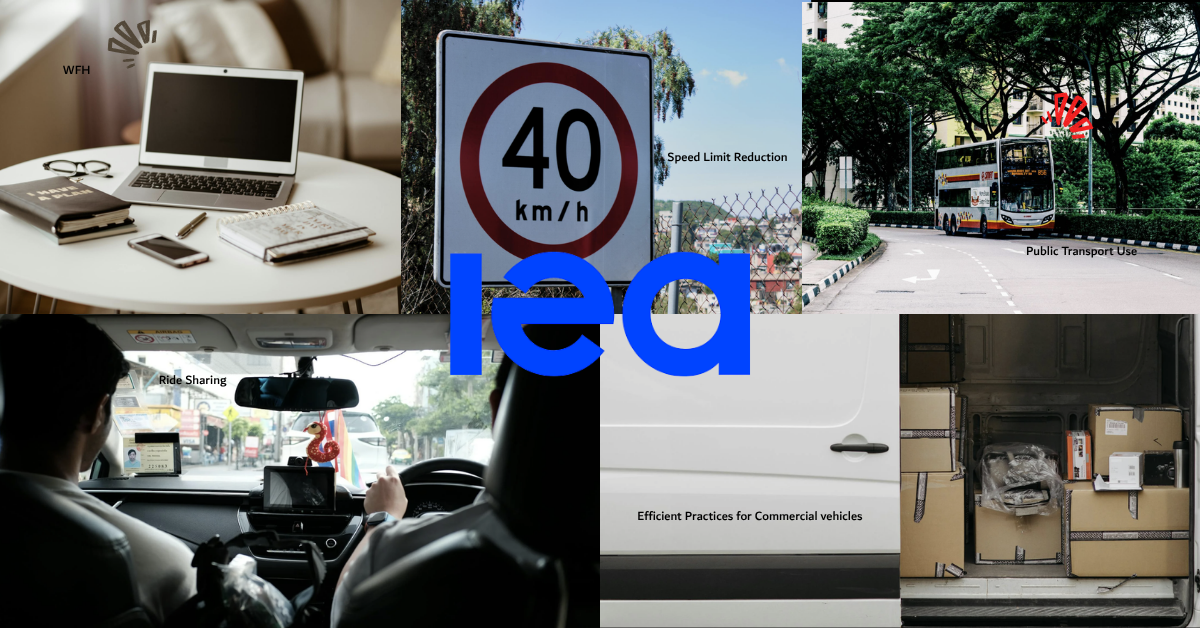
On 20 March, the IEA released a report laying out 10 immediate demand-side measures that governments, businesses and households can adopt to soften the blow on consumers as the crisis drags on.
The recommendations come just days after the agency announced the largest emergency oil stock release in its history, with 400 million barrels released from reserves on 11 March.
But the agency said supply measures alone are not enough. Demand, it said, must also be reduced — and quickly.
What Happened First
The crisis escalated after the conflict in the Middle East severely disrupted shipping through the Strait of Hormuz. According to the IEA, the impact on energy markets has been immediate and severe, particularly for countries in Asia that rely heavily on oil flows passing through the route.
In response, member countries first moved to stabilise supply through emergency reserves. However, as reports state, the IEA has now shifted focus to the consumer side of the crisis, warning that the disruption may not be short-lived. That is where the 10-point plan comes in.
The 10 Immediate Measures
Most of the recommendations focus on road transport, which accounts for about 45 per cent of global oil demand.
1. Work from home where possible
The IEA says remote work remains one of the fastest ways to cut fuel use by reducing daily commuting.

Even a few work-from-home days each week can significantly reduce petrol demand.
2. Reduce highway speed limits
Governments are encouraged to lower speed limits by at least 10km/h.
Driving slower reduces fuel consumption for private vehicles, delivery vans and freight trucks.
3. Push public transport use
The agency urged countries to encourage commuters to switch from private cars to buses and trains.
Where possible, cycling and walking for short journeys should also be promoted.
4. Alternate road access in major cities
One of the more striking recommendations is a number-plate rotation system.
Cars with odd and even-numbered plates could be allowed road access on alternate days to ease congestion and reduce fuel use.
5. Increase car sharing
Higher occupancy per vehicle means fewer cars on the road.
The IEA also recommended eco-driving habits such as maintaining tyre pressure and reducing aggressive acceleration.
6. Improve efficiency for commercial vehicles
For logistics and delivery fleets, the focus is on load optimisation, reduced idling and better maintenance.
These changes can quickly cut diesel consumption.
7. Preserve LPG for essential needs
The agency wants LPG use diverted away from transport where possible.
Vehicles running on LPG should switch to petrol so supplies can be prioritised for essential household uses such as cooking.
8. Avoid flights when alternatives exist
The IEA also flagged air travel as a key area for immediate restraint.
Business travel and short-haul flights should be reduced where train or remote alternatives are available.
9. Switch to modern cooking alternatives
Households are encouraged to move towards electric cooking and other modern alternatives to reduce dependence on LPG.

This is especially critical for vulnerable families facing rising fuel costs.
10. Industrial flexibility and short-term efficiency
Factories and petrochemical plants may be able to switch from LPG to alternative feedstocks such as naphtha.
Short-term maintenance and efficiency improvements can also reduce oil consumption.
Governments Urged to Lead
The IEA said governments should not only introduce regulations and incentives but also lead by example, including travel restrictions for public officials and targeted support for vulnerable households. Rather than broad subsidies, the agency stressed that assistance should be timely, focused and financially sustainable.
IEA Executive Director Fatih Birol warned that without a swift resolution to the conflict, the economic impact could worsen.
“The impacts on energy markets and economies are set to become more and more severe.”
For now, the message is clear: while emergency stock releases may buy time, cutting demand may be the fastest way to shield households from the growing fuel crisis.
Find the IEA report here.
More from Wake Up Singapore:-
Did You Know Singapore Used to Hold Fuel Rationing Exercises in the 1990s?
Rising Middle East Tensions Spark Petrol Panic Across Thailand as Drivers Rush to Fill Tanks
Bypassing the blockade – Ethiopia’s EV revolution shields drivers from global fuel crisis
If you have a story or a tip-off, email admin@wakeup.sg or get in touch via Whatsapp at 8882 5913.
Interested in advertising on our media channels? Reach out to us at admin@wakeup.sg!
Since you have made it to the end of the article, follow Wake Up Singapore on Telegram and X!
Wake Up Singapore is a volunteer-run site that covers alternative views in Singapore. If you want to volunteer with us, sign up here!