
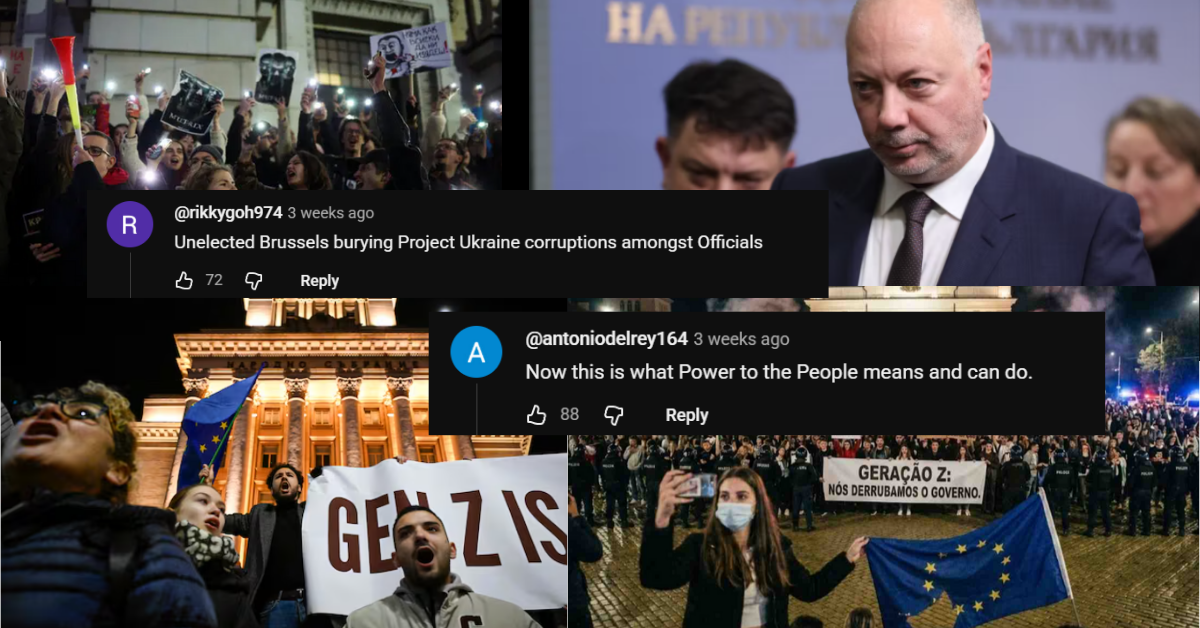
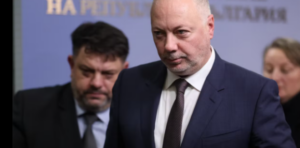
Bulgaria entered a new political chapter in December 2025 after Prime Minister Rosen Zhelyazkov and his entire cabinet resigned amid weeks of nationwide protests. What began as public anger over a proposed budget quickly turned into one of the country’s largest youth-led movements in recent years.
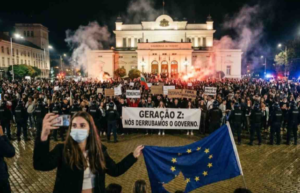
The demonstrations, widely described as driven by Generation Z, spread rapidly across major cities and placed intense pressure on the government just before a crucial parliamentary vote.
Resignation Announced Before Key Vote
Zhelyazkov announced his government’s resignation only minutes before a scheduled no-confidence vote in parliament. The timing reflected how serious the political situation had become.
While the vote never took place, the resignation confirmed that the administration had lost public trust. Despite stepping down, Zhelyazkov has continued serving in a caretaker role while the country prepares for its next political move.
Gen Z Takes the Lead Nationwide
A defining feature of the protests was the strong presence of young people. Students and first-time voters organised rallies mainly through social media platforms, coordinating large gatherings in Sofia and other cities.
Many young protesters said they felt excluded from decision-making and demanded transparency, accountability, and long-term reform rather than temporary fixes.
The initial spark for the protests was the government’s draft 2026 budget, the first prepared using the euro. The proposal included higher taxes and increased social security contributions, which triggered immediate backlash.
Although the government withdrew the budget on 2 December, demonstrations continued. Protesters said the issue went beyond finances, pointing instead to long-standing corruption concerns and the influence of powerful business figures in politics.
Crowds Grow as Pressure Builds
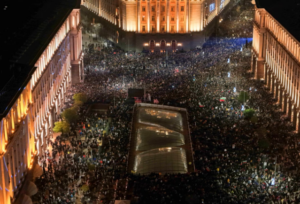
As protests intensified, crowd sizes grew dramatically. Estimates suggested more than 100,000 people gathered in Sofia alone, with additional rallies held in Plovdiv, Varna, and Burgas. Streets were filled with banners and chants calling for change.


The scale of participation signalled deep frustration across generations, even though Gen Z remained the most visible force. Despite the political turmoil, Bulgaria officially joined the eurozone on 1 January 2026. On the same day, Zhelyazkov delivered a New Year address as outgoing prime minister, assuring citizens that state institutions remained stable.
President Rumen Radev has since begun consultations with parliamentary parties. If no coalition can be formed in early January, Bulgaria may face another snap election, potentially its eighth parliamentary vote in just five years.
Watch the video here:
More from Wake Up Singapore:-
Myanmar Rejects Genocide Claims as International Court of Justice Hearings Begin
If you have a story or a tip-off, email admin@wakeup.sg or get in touch via Whatsapp at 8882 5913.
Interested in advertising on our media channels? Reach out to us at admin@wakeup.sg!
Since you have made it to the end of the article, follow Wake Up Singapore on Telegram and X!
Wake Up Singapore is a volunteer-run site that covers alternative views in Singapore. If you want to volunteer with us, sign up here!