

Article by Viory
Farmers and market vendors in La Trinidad are feeling the pinch as rising oil prices, exacerbated by the Middle East conflict, have increased the costs of harvesting, labour, and transportation, leaving many with little choice but to let their vegetables rot in the fields rather than sell them at a loss.
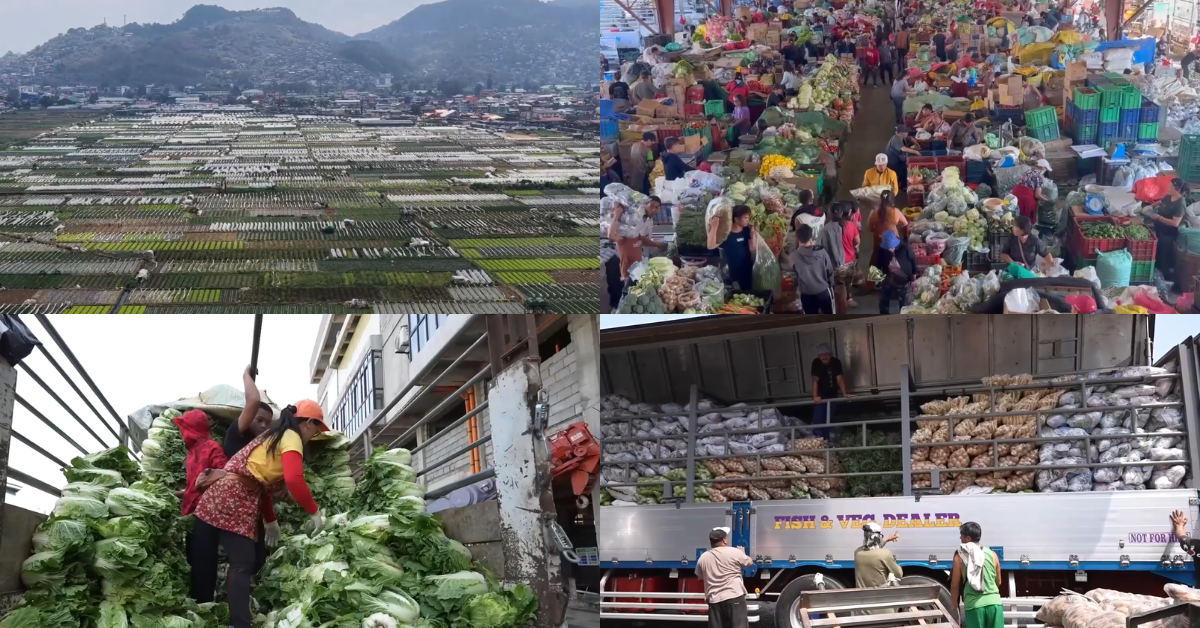
Footage filmed on Wednesday shows locals walking through markets filled with vegetables and fruits. Vendors are seen loading and unloading produce from trucks.
“There are a lot of wasted vegetables because farmers don’t harvest them due to the high cost of transportation, labour, and fertiliser,” said vendor Eliza Mateo.
“We are hoping that the recent ceasefire could lower oil prices and market our produce,” she added.
Farmer Agustin Petita said the impact on farmers has been severe, worsened by a lack of rain and rising fuel costs, forcing many to rely on diesel-powered pumps to irrigate their crops and, in some cases, abandon their harvests altogether.
“I have nephews who planted green ice lettuce, and they never harvested it because the price of that vegetable went down, fuel prices went up, and their expenses to transport their produce here at the trading post won’t break even, that’s why they never harvested the vegetables,” he said.
Soaring costs linked to the Middle East conflict are putting increasing pressure on Filipino farmers, who are particularly vulnerable to oil shocks due to their reliance on imported fuel.
“It’s a very difficult time because we spend a lot to harvest our produce, and when we get to the trading post, there are few buyers and traders as they cannot afford the high fuel costs to travel here,” Petita explained.
Another vendor, JR Orap, highlighted additional challenges in public transportation, noting that fewer vehicles are operating and waiting times are longer, as transport groups try to cope with high fuel costs.
“I go to work at 5am, but there are only a few vehicles on the streets, and you need to wait until 5:30 for another 2-3 passengers before the transport will proceed to your destination.”
Inflation in the Philippines rose above 4 percent in March, up from 2.4 percent in February, largely driven by fuel prices. Diesel surged 59.5 percent year-on-year, while gasoline rose 27.3 percent, marking the sharpest increases since the 2022 Russia-Ukraine energy market disruption.
Article by Viory
More from Wake Up Singapore:
South African farmers turn to drones as Iran conflict drives up fuel costs, fertiliser shortages
The End of the Era Of ‘Dharmendra’: Story of a Farmer’s Son Becoming Star
If you have a story or a tip-off, email admin@wakeup.sg or get in touch via Whatsapp at 8882 5913.
Interested in advertising on our media channels? Reach out to us at admin@wakeup.sg!
Since you have made it to the end of the article, follow Wake Up Singapore on Telegram and X!
Wake Up Singapore is a volunteer-run site that covers alternative views in Singapore. If you want to volunteer with us, sign up here!