
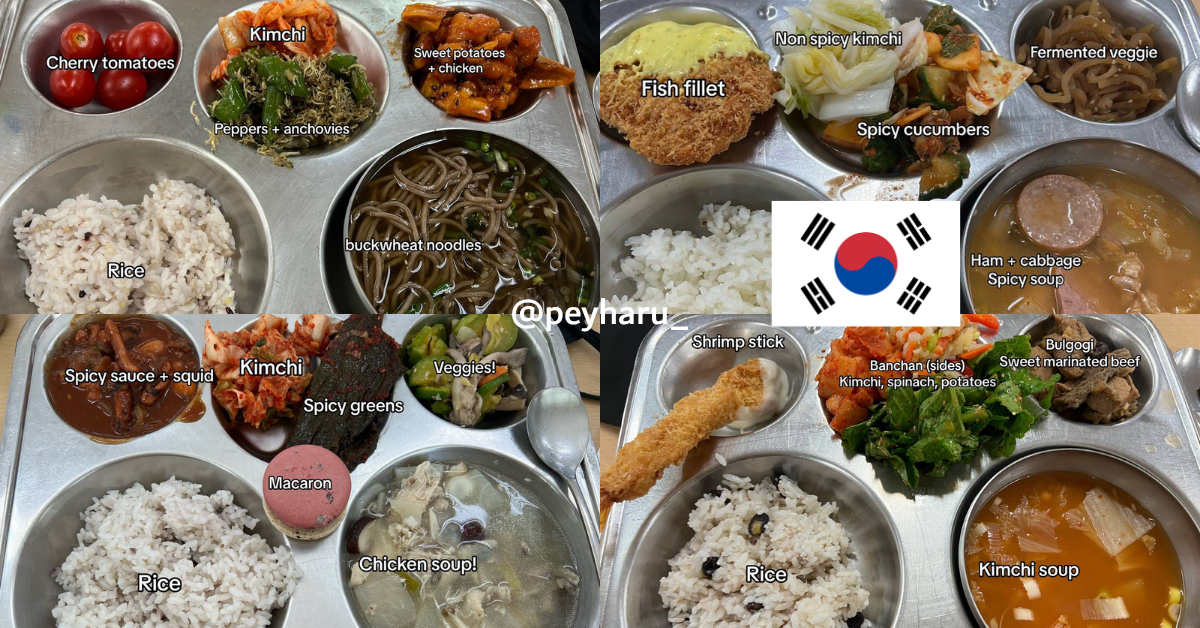
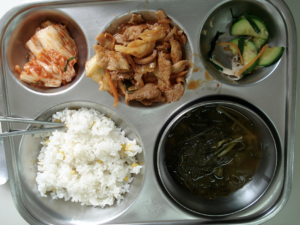
A tray of bulgogi, kimchi, rice, soup, fresh fruit and even a macaron for dessert. For many students in South Korea, that is just lunch on a regular school day.
Videos and photos of Korean school meals have been making the rounds online, with viewers around the world stunned by the variety, presentation and the fact that these meals are provided free in most schools.
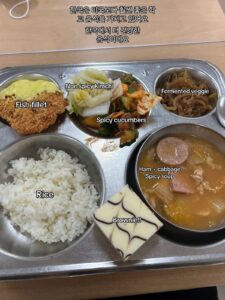
One viral video showing a high school in Busan drew millions of views, with many commenting that the meals looked better than what they eat at home.
Another English teacher based in Korea, who regularly posts photos of school lunches, showed trays packed with sesame chicken, spicy vegetable soup, fish fillets, sweet marinated beef, curry, spaghetti, tteokbokki and even brownies.
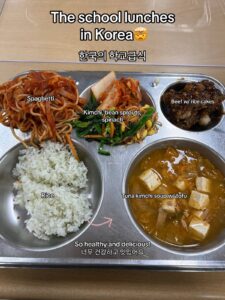
And that is just across a few days. What catches people’s attention is not just how good the food looks, but how different it is from the usual idea of a school lunch, and often there is rarely a repeat.
A Different Spread Almost Every Day
In South Korea, school lunches are built around balance and variety. Most meals centre on rice, paired with soup or stew, a protein dish such as chicken, beef, fish or tofu, and several banchan — the small side dishes that are a staple in Korean meals.
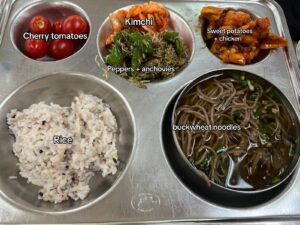
These sides can include kimchi, pickled radish, seasoned spinach, potatoes, cucumbers, bean sprouts and other vegetables. Fresh fruit, juice packs and the occasional dessert such as a brownie or macaron are sometimes added to the tray too.
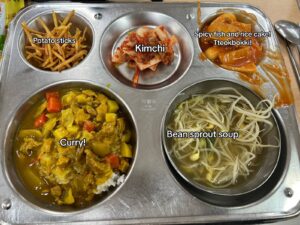
So on one day, students might be eating bulgogi with kimchi soup and greens. The next, it could be curry chicken, mushroom soup and spaghetti. For students, lunch does not feel like the same meal on repeat.
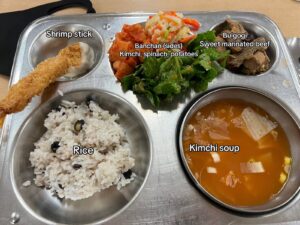
Instead, it feels like something to look forward to. One teacher who has been working in Korea described it as one of the highlights of school life, saying she had tried hundreds of new dishes in just a few months. Even when certain dishes looked unfamiliar at first, she said the flavours always made sense once tasted.
Strict Kitchen Standards and Nutrition Planning
The meals are not just made to look appealing, they are carefully planned. Nutritionists work with schools to design menus that include the right balance of carbohydrates, protein, vitamins and minerals.
Kitchen staff begin preparations early in the morning, with strict hygiene checks in place. Vegetables are washed multiple times, ingredients are inspected, and meals are government-monitored for food safety.
The aim is simple: make sure students are fed properly during the school day. Rather than focusing on convenience food, lunches are usually built around freshly cooked rice dishes, soups, vegetables and protein.
Many schools also use seasonal produce and locally sourced ingredients as part of Korea’s wider eco-friendly school meal efforts. Some schools even incorporate gardening and nutrition education into the curriculum, allowing students to learn where food comes from and how healthy meals are prepared.
How Free School Meals Became the Norm
According to South Korea Explores, South Korea’s school meal programme dates back to 1953, when lunches were first introduced after the Korean War as part of relief efforts for children in poorer and rural communities. At first, meals were subsidised and often targeted at students from lower-income households.
Over time, that changed. By the early 2000s, almost all schools across the country had meal programmes in place. A major turning point came in 2011, when Seoul began offering free school meals to all public elementary school students.
The programme later expanded to middle schools and eventually high schools. By 2021, free meals had become universal for students across Seoul, covering public and private schools from primary to high school. The policy was designed not only to improve nutrition, but also to ease household costs and remove the stigma of means-tested meal assistance.
Today, the initiative covers hundreds of thousands of students and is seen as one of the country’s major education welfare programmes.
More Than Just Food
Part of why these lunches continue to go viral is that they show what happens when school meals are treated as part of a child’s well-being rather than just an obligation. The food is colourful, familiar to local tastes and built around nutrition.
For many online viewers, it is the idea that lunch can be both free and thoughtfully prepared that feels remarkable. A tray of rice, soup, vegetables and fruit may sound simple. But when done with care, it becomes something bigger than a meal.
It becomes part of the school experience itself.
Watch a video here:
@sandb.ander Inside South Korea’s Free, Nutritious School Lunches#schoollunch #korea #nutrition #free #foodtiktok #foodie #healthyfood #busan
More from Wake Up Singapore:-
Recess Shapes More Than Taste: Veteran Chef Explains What is Being Lost When Canteens Disappear
Singapore Engineer, Ditches Degree to Open Matcha and Coffee Café
It’s Not Age, It’s Courage: 73-Year-Old Singaporean Aunty Paulin’s Coffee Shop Journey
If you have a story or a tip-off, email admin@wakeup.sg or get in touch via Whatsapp at 8882 5913.
Interested in advertising on our media channels? Reach out to us at admin@wakeup.sg!
Since you have made it to the end of the article, follow Wake Up Singapore on Telegram and X!
Wake Up Singapore is a volunteer-run site that covers alternative views in Singapore. If you want to volunteer with us, sign up here!