

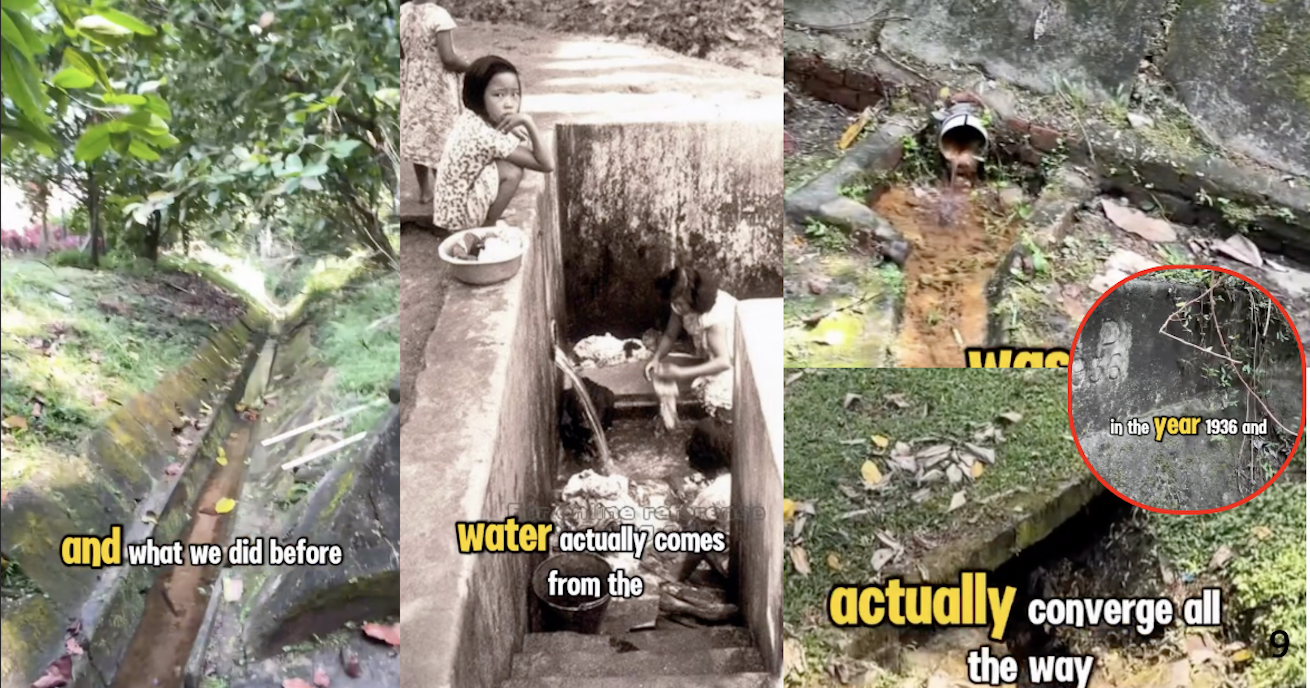
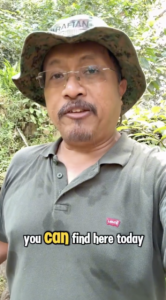
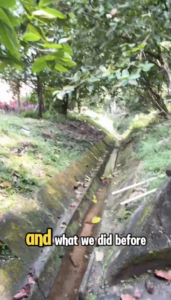
A historic stream and washing place that is about 90 years old still survives in the Bukit Timah area of Singapore. According to locals, the source of this water is the top of the Bukit Timah mountain. From there, the water flows down and meets the foothills in small drains.
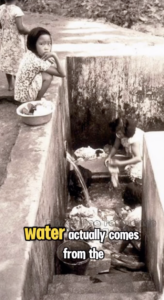
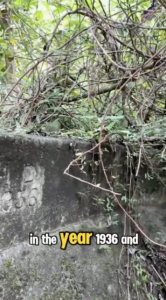
Later, in 1936, a washing basin was built around this stream with concrete. Surprisingly, after all these years, the structure still survives. Although the flow of water has decreased over time, it is still an important part of Singapore’s natural history.
Flow from the Mountain
Water is created from the Bukit Timah summit through rain, dew and condensation. Then the water slowly flows downwards. In the past, this flow was much stronger. Today, the water is less than before, but it still flows.
This natural stream is an important example of Singapore’s landscape. Therefore, many people believe that it is important to preserve it.
1936 Monument
Built in 1936, this washing place was part of the daily life of the locals. People used this water to wash clothes. It was surrounded by concrete and turned into a permanent basin. Even after all these years, the structure remains intact, which carries historical significance.
As a result, it now stands as a reminder of the past. It is also a unique example of Singapore’s ancient infrastructure.
Connection to the Rocher Canal
This mountain stream gradually descends to the Hein Hibi area. Then it merges with the Rochar Canal. The Rochar Canal starts from Halang and flows past Silim Tower, Tekka Market and Nian Pali. Later, it becomes a small stream covered under the GT World Plaza.
As a result, the mountain water of Bukit Timah finally joins the city’s important waterway. Thus, a natural connection has been created between the mountains and the city.
Need for Conservation
Although the water flow is currently decreasing, it is still an important environmental resource. Therefore, many feel that this place should be preserved. Because it is not just a washing basin but part of the history of Singapore’s waterways. It can also inform the new generation about the city’s natural resources. With proper conservation and awareness, this heritage will survive in the future.
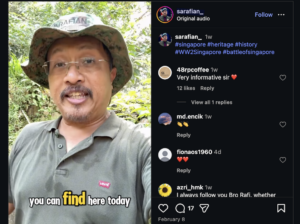
Watch the video here:
More from Wake Up Singapore:
Singapore’s Forgotten Palace: Inside the Abandoned Haw Par Beach Villa on Coney Island
From 1975 to 2025: Morgan Hobby Craft Center Marks 50 Years of Passion
Singapore’s ‘Dirtiest Hike’ is Just 15 Minutes From the City—Not for the Faint-Hearted
If you have a story or a tip-off, email admin@wakeup.sg or get in touch via Whatsapp at 8882 5913.
Interested in advertising on our media channels? Reach out to us at admin@wakeup.sg!
Since you have made it to the end of the article, follow Wake Up Singapore on Telegram and X!
Wake Up Singapore is a volunteer-run site that covers alternative views in Singapore. If you want to volunteer with us, sign up here!