
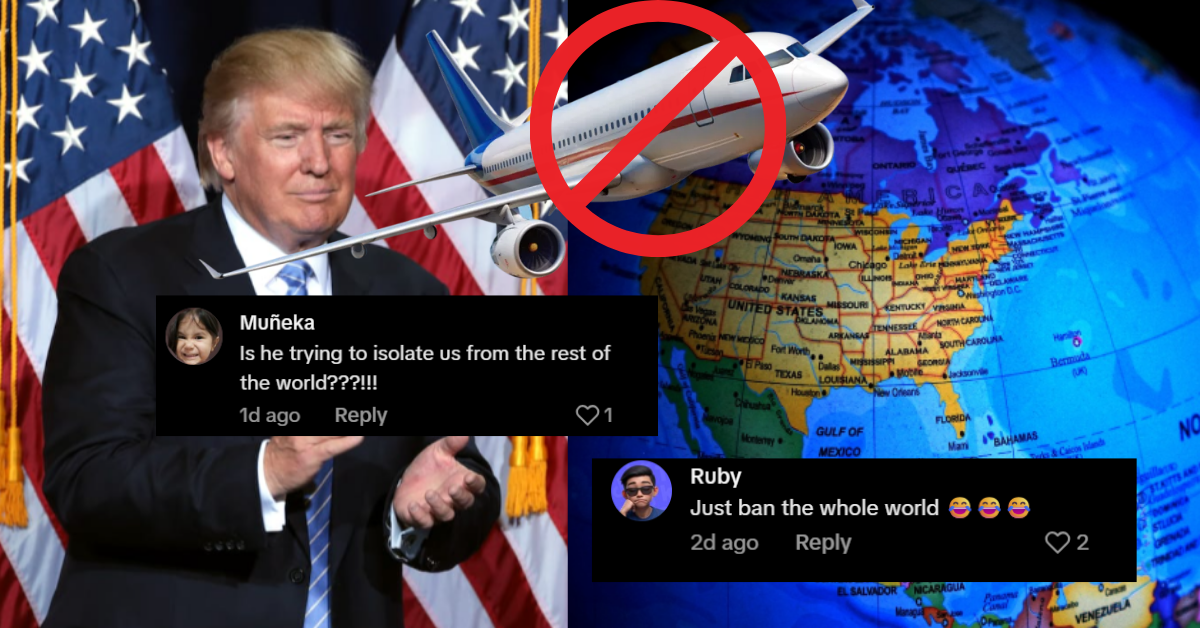
Washington — During the busy travel season, the United States has announced stricter rules on who can enter the country. The White House confirmed that President Donald Trump signed a new proclamation expanding the U.S. travel ban. The decision has quickly drawn attention around the world because it affects travelers, families, and migration programs.
The policy focuses on countries with serious problems in security screening and information sharing. Officials say these weaknesses make it difficult to properly check people before they enter the United States. The goal, they argue, is to protect national security and public safety.
Countries Facing a Full Travel Ban
Before this update, 19 countries were already under a full travel ban. Now, seven more countries have been added: Laos, Sierra Leone, Burkina Faso, Mali, Niger, South Sudan, and Syria. Citizens from these countries are not allowed to enter the United States, even for short visits, unless they qualify for very limited exceptions.
In addition to the full ban, the government announced partial restrictions for 15 other countries. These include Nigeria, Senegal, Tanzania, Angola, Zambia, and Zimbabwe, among others. With these changes, a total of 39 countries are now affected by either full or partial restrictions.
Security Concerns Behind the Decision
U.S. officials say the expansion was partly influenced by a recent shooting in Washington, D.C., where two National Guard members were injured. The suspect, Rahmanullah Lakanwal, is an Afghan national who entered the U.S. through Operation Allies Welcome, a program created to help Afghans who worked with the U.S. military.
Following the incident, the White House announced that the program is now paused for review. Former CIA officer Mike Baker said stronger vetting is needed before allowing people into the country. He explained that letting people enter without full background checks creates serious risks.
Changes to Special Entry Programs
In a separate interview on NBC’s Meet the Press on 30 November, Homeland Security Secretary Kristi Noem raised concerns about Afghan arrivals. She said that as many as 100,000 people may have entered the U.S. under the program, and some could pose a threat. She stressed the need to reexamine how these programs operate.
The new policy also bans individuals using Palestinian Authority-issued travel documents. The White House said this decision is linked to the presence of terrorist groups in parts of the West Bank and Gaza.
Criticism and Political Reaction
Not everyone supports the move. Critics say the policy is too harsh and reminds them of earlier family separation rules. Representative Ilhan Omar told CNN that the ban prevents U.S. citizens from welcoming close family members for important life events.
Despite criticism, the administration believes the policy will remain in place. Supporters point to the Supreme Court’s earlier decision to uphold President Trump’s first-term travel ban as a strong legal foundation.
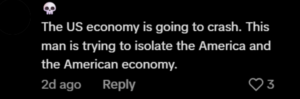
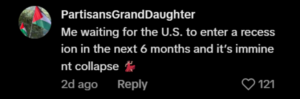
For now, travelers from dozens of countries are left waiting, watching, and adjusting to the new rules.
Watch a video here:
@bradbernsteinlaw The travel ban expanded again. Two lists now: Full bans and Partial bans. Full list below. If you are from a listed country, your visa and travel plan could be blocked even if you have family in the U.S. Waivers are discretionary. Talk to a lawyer before traveling or filing. Law Offices of Spar & Bernstein, P.C. 45 Broadway, New York, NY Call: 212-227-8933 Full ban countries Afghanistan Burma (Myanmar) Chad Republic of the Congo Equatorial Guinea Eritrea Haiti Iran Laos Libya Mali Niger Somalia South Sudan Sudan Syria Yemen Sierra Leone (Plus: travel documents issued or endorsed by the Palestinian Authority) Partial restriction countries Angola Antigua and Barbuda Benin Cote d’Ivoire (Ivory Coast) Dominica Gabon The Gambia Malawi Mauritania Nigeria Senegal Tanzania Togo Tonga Turkmenistan (note: rules differ from others) Venezuela Zambia Zimbabwe Burundi Cuba Quick notes on what “partial” usually means Often blocks: Immigrant visas + B-1/B-2 + F/M/J Some other nonimmigrant visas may still be possible, case-by-case. #immigration #travelban #usimmigration #greencard #studentvisa
More from Wake Up Singapore:-
Landing Gear Malfunction Triggers Emergency Evacuation on American Airlines Flight
Gwen’s Frozen: The First Authentic American Malt Shop In Singapore
American Tourist, 65, Arrested in Japan for Allegedly Vandalising Shrine Gate with Fingernails
If you have a story or a tip-off, email admin@wakeup.sg or get in touch via Whatsapp at 8882 5913.
Interested in advertising on our media channels? Reach out to us at admin@wakeup.sg!
Since you have made it to the end of the article, follow Wake Up Singapore on Telegram and X!
Wake Up Singapore is a volunteer-run site that covers alternative views in Singapore. If you want to volunteer with us, sign up here!